Homelander Twixtor | The Boys Scenepack 4K
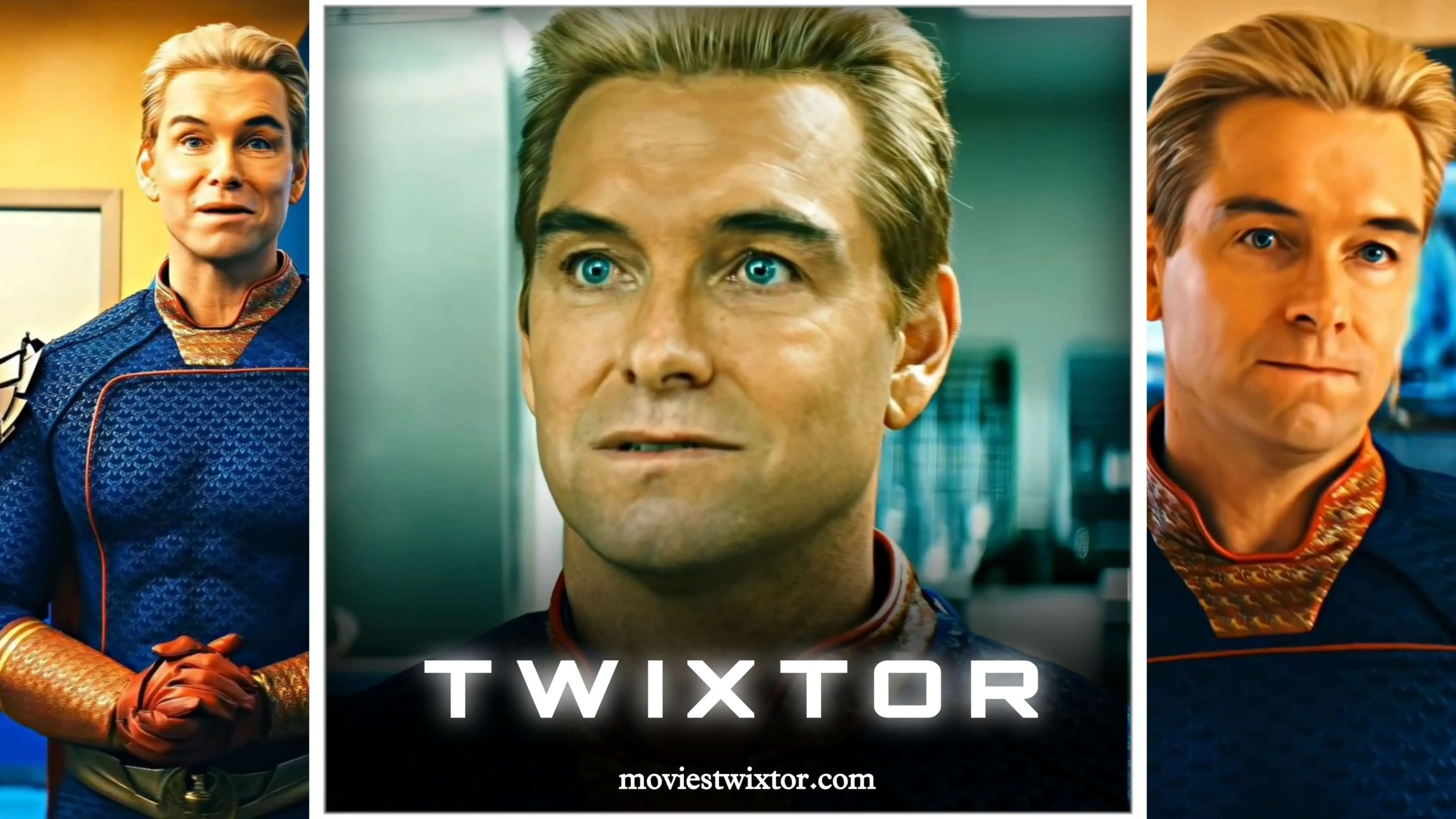
Homelander Twixtor
♦MOVIES TWIXTOR CLIPS♦
Download Movies Twixtor for Edits : https://moviestwixtor.com/movies-twixtor/
Download Series Twixtor For Edits :https://moviestwixtor.com/movies-clips/
Download Anime Twixtor for Edits : https://animeworldtwixtor.com/
Subscribe to Youtube Channel For More Clips & Twixtors : YOUTUBE
Text Me on Instagram To Request Twixtor / Clips / Promotion : RDJ EDITS / ANIMEWORLD
Homelander Twixtor
Homelander Twixtor: A Cinematic Dissection of Power and Perfection in Motion
In the digital era, fan edits have become a unique art form—an intersection of cinematic appreciation and personal creativity. Among these, the “Twixtor edit” stands out for its hypnotic manipulation of motion. Twixtor, a visual effects plugin used in programs like After Effects and Premiere Pro, allows editors to create ultra-smooth slow motion by interpolating frames between existing ones. When applied to a character as visually and psychologically complex as Homelander from The Boys, the result is nothing short of mesmerizing. A Homelander Twixtor edit doesn’t merely showcase technical skill—it transforms the chilling charisma of a godlike figure into a moving portrait of madness, control, and narcissistic fragility.
Homelander, portrayed by Antony Starr, embodies the dark inversion of the superhero ideal. He is powerful beyond measure, adored by the masses, yet utterly disconnected from genuine humanity. The appeal of editing Homelander with Twixtor lies in this duality: the perfection of his physical image against the corruption of his soul. Slow motion isolates every expression—the twitch of a smirk, the flicker in his eyes—and invites the viewer to linger uncomfortably on moments that usually pass too quickly to dissect. In standard motion, Homelander’s menace feels explosive and unpredictable; in Twixtor slow motion, it becomes surgical, deliberate, and suffocating.
Technically, a Homelander Twixtor edit begins with selecting the right scene. Editors often choose sequences where his emotions are on the verge of rupture: his silent rage in front of the mirror, his violent outbursts, or his unsettling public smiles. The power of Twixtor lies in its ability to capture micro-expressions—the instant when charm curdles into cruelty. By reducing the speed to fractions of normal playback, the edit turns fleeting gestures into psychological landscapes. A single glare can stretch to ten seconds, allowing viewers to swim in the tension of his barely restrained god complex. Homelander Twixtor Homelander Twixtor Homelander Twixtor Homelander Twixtor Homelander Twixtor Homelander Twixtor Homelander Twixtor Homelander Twixtor
Color grading and music choice elevate the Twixtor aesthetic further. Editors often opt for high-contrast, hyper-saturated palettes that reflect Homelander’s artificial perfection—his cape burning crimson, his suit shimmering like the American flag reimagined through a corporate lens. Music ranges from dark synthwave to orchestral crescendos, amplifying the mythic tone of his presence. Every beat seems to echo his internal monologue: I am the only one who matters. When time slows and his cape ripples through the air like molten silk, he ceases to be a character from a television show and becomes an icon of modern media’s obsession with power and spectacle.
What makes Twixtor edits particularly compelling in the case of Homelander is how they mimic the character’s own perspective. Homelander perceives the world through a distorted lens—he moves through it as if time itself bends to his will. In slow motion, we experience that same godlike detachment. The ordinary speed of reality dissolves; every bullet, every glance, every drop of blood seems suspended in reverence to his dominance. The Twixtor effect becomes metaphorical: it’s not just slowing time, it’s embodying omnipotence.
Yet, the beauty of these edits also lies in their irony. Twixtor’s smooth, flawless transitions mirror Homelander’s pristine public image—a carefully manufactured illusion of heroism. Beneath that smoothness, however, lies digital distortion. If you slow down too much or miss a frame, the image tears, producing ghosting artifacts or warped limbs. This technical fragility reflects Homelander’s psyche: perfect on the surface, monstrous underneath. The editor’s craft, then, becomes a visual metaphor for his unraveling—a god cracked by imperfection.
In essence, a Homelander Twixtor edit transcends fan appreciation; it is an act of psychological storytelling. Through slow motion, we don’t just watch Homelander—we study him, fear him, and, for a moment, understand the seductive horror of absolute power. The technique turns spectacle into introspection, violence into ballet, and motion into meaning. In 30 seconds of slowed footage, we glimpse what The Boys took entire seasons to show: the terrible grace of a god who believes himself flawless—and the quiet terror that lies in every perfect frame.
About The Author