
Gwen Stacy Twixtor | Gwen Stacy Scenepack
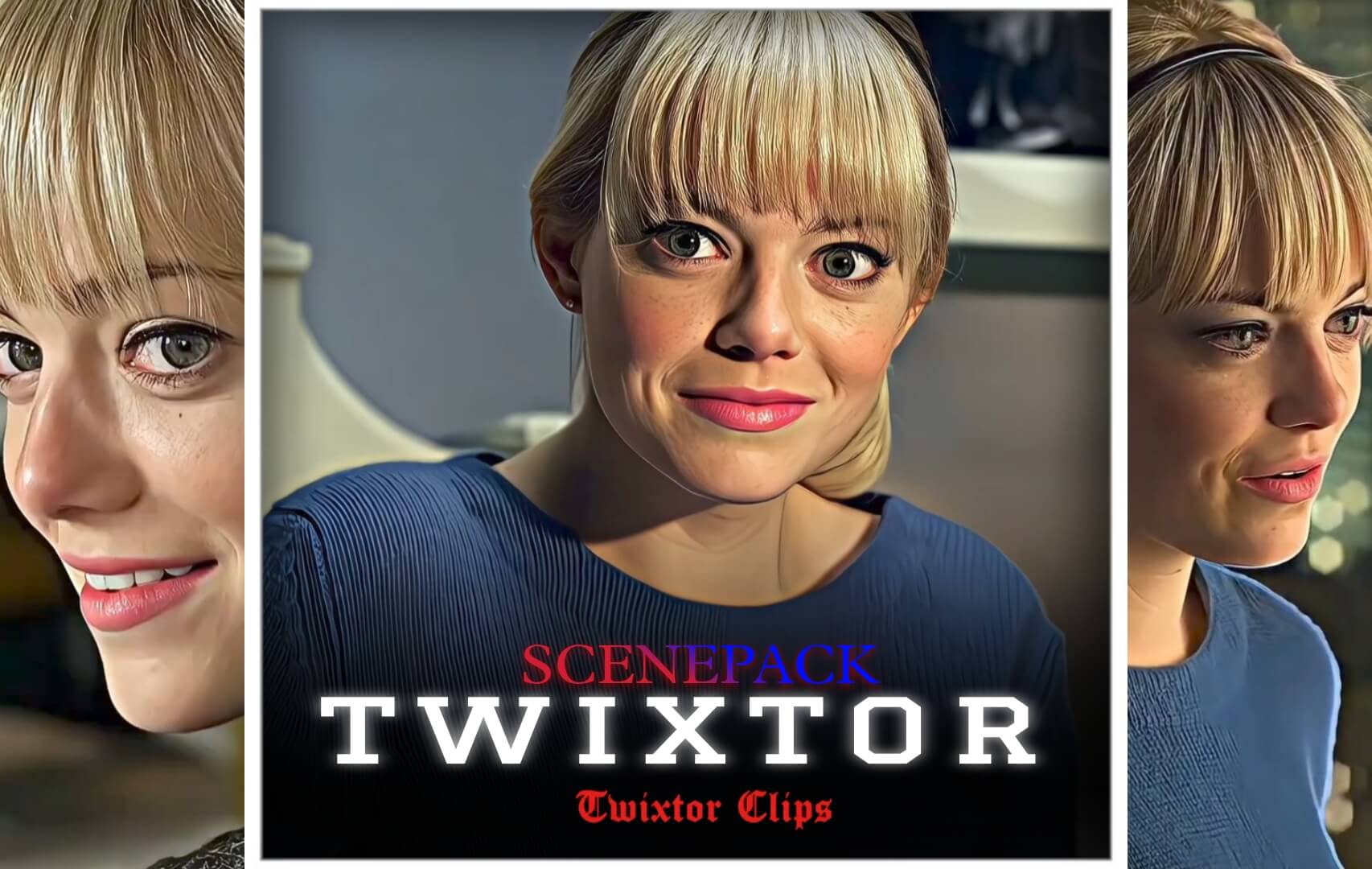
Gwen Stacy Scenepack
♦DOWNLOAD ANIME & MOVIES SCENEPACK FOR FREE♦
Download Anime Twixtor Clips for Free : https://moviestwixtor.com/anime-twixtor/
Download Movies Scenepack For Free :https://moviestwixtor.com/movies-clips/
Download K Drama Scenepack For Free : https://moviestwixtor.com/category/k-drama-twixtor/
Gwen Stacy Twixtor 4K Free Clips For Edits — Spider-Verse
Gwen Stacy Twixtor Clips are among the most popular Spider-Verse editing resources for creators searching for 4K footage with free download access, no watermark quality, and smooth slow motion effects. This collection features iconic moments including Gwen’s drum performance scenes, emotional rooftop conversations with Miles Morales, and breathtaking Spider-Verse swing sequences in MP4 format. Every clip is optimized for velocity edits, cinematic transitions, and aesthetic fan reels. The vibrant colors, artistic animation style, and expressive character moments make these clips ideal for TikTok edits, AMVs, Instagram Reels, and cinematic Spider-Verse projects.
Download Gwen Stacy Twixtor Clips Free
Format: MP4 (H.264) | Resolution: 4K (3840×2160) + 1080p Full HD | Speed: 25% Twixtor processed | Watermark: None | Signup: None | Cost: Free
Use the download button below to instantly access the complete Gwen Stacy clip collection.
About These Gwen Stacy Twixtor Clips
This collection contains carefully selected scenes from the Spider-Verse films that are ideal for cinematic editing and aesthetic content creation.
▸ Drum performance sequence — Spider-Man: Across the Spider-Verse opening scene
▸ Rooftop conversation with Miles — Emotional bridge sequence
▸ Spider-Gwen swing scene — New York city traversal sequence
▸ Multiverse portal jump — Across the Spider-Verse transition scene
▸ Guggenheim Museum battle — Spider Society combat sequence
▸ Slow-motion close-up shot — Gwen character introduction scene
These clips were selected for their unique color palette, fluid animation, and emotional storytelling. Editors frequently use these moments for velocity edits, transitions, character-focused reels, and cinematic Spider-Verse projects. All clips are pre-processed at 25% Twixtor speed in MP4 format.
About Gwen Stacy from Spider-Verse
Gwen Stacy, also known as Spider-Gwen, is one of the most beloved characters in the Spider-Verse franchise. Her agile fighting style, emotional storyline, and visually stunning animation design make her scenes especially popular among twixtor editors and superhero content creators.
Browse our full Spider-Verse twixtor collection →
How to Use These Clips in Your Edits
These clips work perfectly with Adobe Premiere Pro, DaVinci Resolve, CapCut, VN Editor, and After Effects. No Twixtor plugin needed — these clips are pre-processed for smooth slow motion playback. Simply import the MP4 files, add transitions, color grading, overlays, and music to create cinematic superhero edits. The files are optimized for both mobile and desktop editing workflows.
For a full guide, see our twixtor editing tutorial →
More Spider-Verse Twixtor Clips
Explore related content including Miles Morales Twixtor, Spider-Man 2099 Scenepack, and Prowler Twixtor for additional editing footage. You can also browse the Spider-Verse category page for more animated superhero content and visit the /anime-twixtor/ hub page to discover all available twixtor collections.
Frequently Asked Questions
Q1: Is the Gwen Stacy twixtor clip free to download?
Yes, the complete Gwen Stacy clip collection is available as a free download. No registration or subscription is required, and every file is provided without any watermark.
Q2: What resolution is the Gwen Stacy twixtor clip?
The collection includes both 4K (3840×2160) and 1080p Full HD versions. These resolutions are ideal for cinematic edits, social media content, and professional video projects.
Q3: Which editing software works with Spider-Verse twixtor clips?
Spider-Verse twixtor clips are compatible with Adobe Premiere Pro, DaVinci Resolve, CapCut, VN Editor, and Adobe After Effects. Since the files are already processed at 25% Twixtor speed, no additional Twixtor plugin is required.
Follow Us On Instagram & Request Twixtors : Instagram Handle
Subscribe to Youtube Channel For Updates : YOUTUBE
About The Author