
♦MOVIES TWIXTOR CLIPS♦
Download Movies Twixtor for Edits : https://moviestwixtor.com/movies-twixtor/
Download Series Twixtor For Edits :https://moviestwixtor.com/movies-clips/
Download Anime Twixtor for Edits : https://moviestwixtor.com/anime-twixtor/
Subscribe to Youtube Channel For More Clips & Twixtors : YOUTUBE
Request Your Fav Anime/Movie Twixtor & Clips : REQUEST TWIXTOR
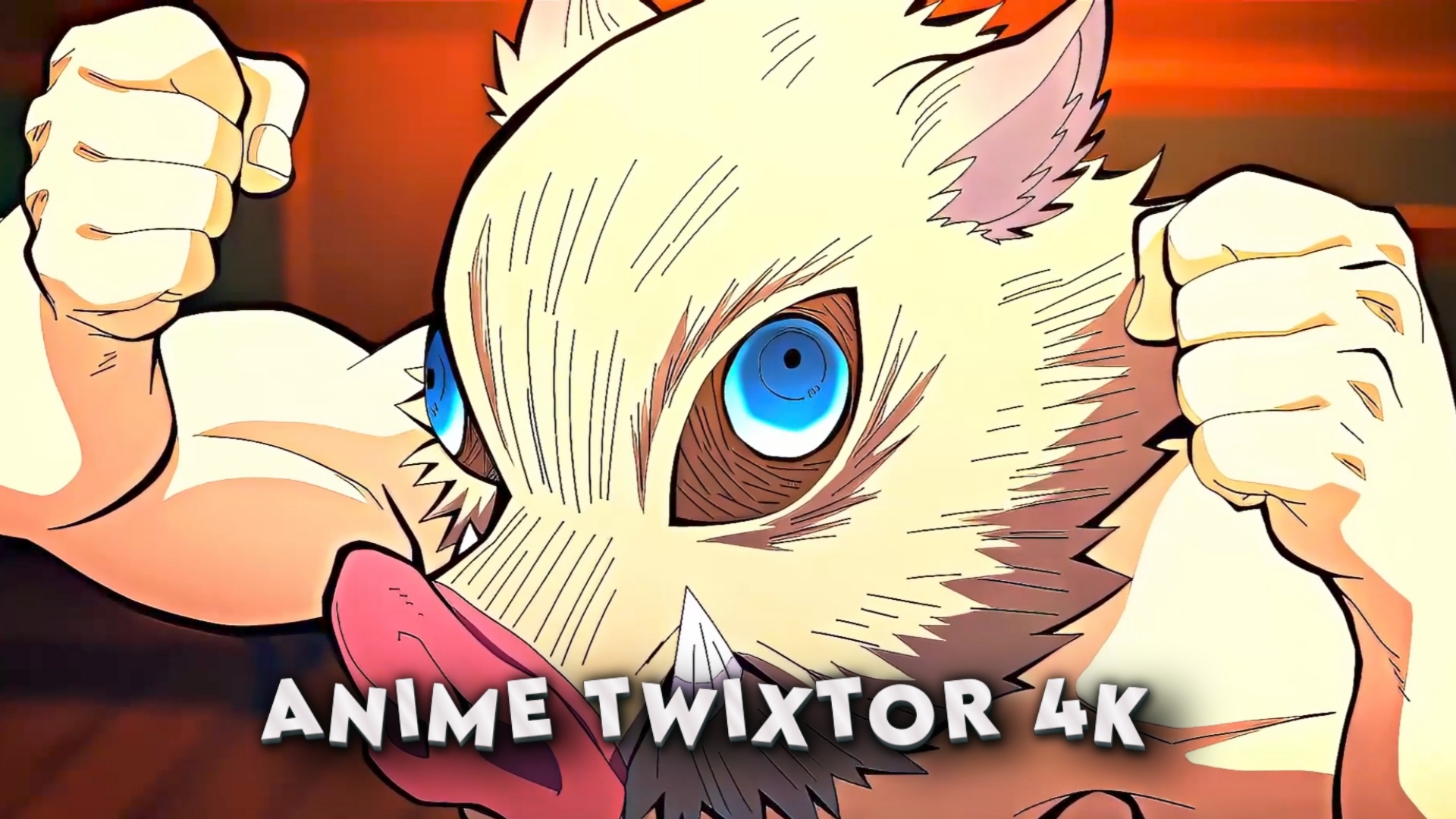
Inosuke Twixtor
Inosuke Hashibira is one of Demon Slayer’s most explosive and unforgettable characters—wild, instinct-driven, and seemingly incapable of subtlety. Yet behind the boar mask, beneath the bravado and shouting, lies one of the series’ richest emotional arcs. Inosuke begins as a feral fighter who barely understands human interaction, but over time transforms into someone capable of compassion, loyalty, and deep emotional connection. His journey is chaotic, comedic, and surprisingly heart-wrenching. Inosuke Twixtor
From the moment he appears, Inosuke radiates raw intensity. Raised in the mountains by boars after being abandoned as an infant, he grew up without language, structure, or human affection. His worldview is shaped by survival, instinct, and dominance. He challenges everything and everyone because that is the only way he knows how to measure his existence. Fighting is his language; aggression is his comfort zone. When he encounters Tanjiro’s kindness or Zenitsu’s fear, he reacts first with confusion, then competitiveness. Social norms and gentle interactions are foreign to him, so he defaults to headbutting or issuing battle challenges simply to make sense of the moment.
His Breath of the Beast style reflects his upbringing perfectly. It is untamed, flexible, and rooted in heightened instincts. Inosuke fights with improvisational genius—able to dislocate his joints, sense vibrations, and adapt mid-battle with animalistic fluidity. His serrated Nichirin blades, chipped deliberately, create unpredictable patterns akin to wild claws. He is a force of nature, not trained elegance. And yet, this roughness gives him an advantage: enemies cannot anticipate movements shaped by feral ingenuity rather than conventional technique.
But what makes Inosuke so compelling is not his strength—it’s his vulnerability, revealed in moments when the mask slips. His boar mask is more than a quirky aesthetic; it is a shield against emotions he doesn’t understand. Without role models or nurturing growing up, he never learned how to handle affection, disappointment, or grief. So he roars, attacks, and boasts to avoid confronting feelings that lie beneath his bravado.
Tanjiro plays a pivotal role in Inosuke’s emotional development. At first, Inosuke sees him as an “annoying weakling,” baffled by his gentleness. But Tanjiro’s unwavering kindness gradually dissolves Inosuke’s defenses. When Tanjiro praises him or shows concern, Inosuke often reacts with exaggerated confidence or comical confusion because he doesn’t know how else to accept affection. Still, he slowly begins to mirror Tanjiro’s compassion—not through words, but through actions.
One of the most transformative moments for Inosuke occurs during the mountain battle against the Spider Family. When he faces the Father Spider Demon and nearly dies, he experiences fear and despair unlike anything he has known. In this moment, he realizes that strength alone cannot protect him. His vision blurs, his life flashes before him, and he questions his worth without fully understanding those emotions. This near-death experience becomes a turning point; it cracks the emotional armor he built around himself and opens him to connection.
His relationship with Kanao also offers subtle emotional growth. Inosuke is fascinated by her calmness and quietly respects her strength. Their interactions are brief but meaningful, especially when Kanao’s gentle encouragement helps anchor him during difficult fights. Inosuke gradually, almost accidentally, learns empathy through the presence of people who care about him.
One of the most poignant aspects of Inosuke’s story is his rediscovered connection to his mother. Through fragmented memories and encounters with demons responsible for her death, he learns that he was not abandoned but saved. This revelation reshapes his understanding of love and identity. When he fights to protect others afterward, it is no longer out of instinct but out of a desire to honor the mother he barely remembers. His character shifts from fighting for supremacy to fighting for connection.
By the end of the series, Inosuke is still loud, impulsive, and hilariously chaotic, but he has grown. He learns to cherish the people around him, even if he expresses it through shouting or awkwardly demanding compliments. His ferocity remains, but now it is tied to loyalty rather than isolation.
Inosuke’s journey is ultimately about discovering humanity after growing up without it. His strength lies not just in his wild techniques but in the heart he slowly uncovers—messy, confused, and fiercely protective. He represents the idea that even those who grow up in darkness can learn to connect, to trust, and to care.