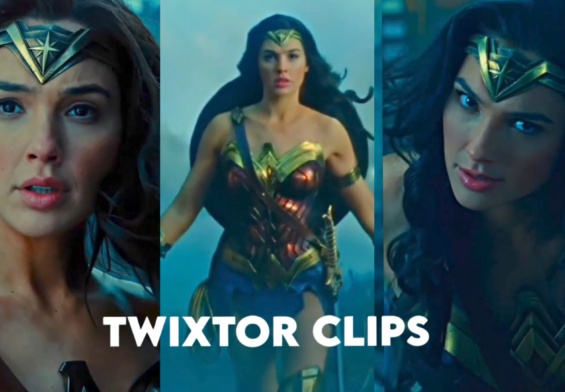
♦MOVIES TWIXTOR CLIPS♦
Download Movies Twixtor for Edits : https://moviestwixtor.com/movies-twixtor/
Download Series Twixtor For Edits :https://moviestwixtor.com/movies-clips/
Download Anime Twixtor for Edits : https://animeworldtwixtor.com/
Subscribe to Youtube Channel For More Clips & Twixtors : YOUTUBE
Text Me on Instagram To Request Twixtor / Clips / Promotion : RDJ EDITS / ANIMEWORLD
Wonder Women Scenepack
Wonder Woman Scenepack: Power, Grace, and the Art of Cinematic Empowerment
In the realm of fan editing, few characters embody visual and emotional power as vividly as Wonder Woman. Whether captured through slowed-down battle scenes, radiant lighting, or a soaring orchestral score, a Wonder Woman scenepack—a collection of cinematic clips used for editing—transcends simple montage. It becomes a celebration of heroism, femininity, and timeless strength. Every frame of Wonder Woman, portrayed most iconically by Gal Gadot in the DC Extended Universe, tells a story not just of combat, but of compassion, conviction, and the fight for justice. A scenepack featuring her is more than visual content; it’s a toolkit for storytelling that transforms raw footage into an emotional anthem.
From her first appearance in Batman v Superman: Dawn of Justice to her solo films, Wonder Woman has been defined by her duality: a warrior forged in battle yet driven by love and empathy. Editors who create scenepacks often focus on capturing this blend—her moments of fierce determination alongside her quiet humanity. The way her hair flows mid-combat, the glint of her armor reflecting firelight, or the deliberate, graceful motion of her blocking bullets with her bracelets—each shot radiates symbolic power. When slowed down or color-graded in fan edits, these moments highlight not just physical prowess, but a spiritual resilience that defines the character.
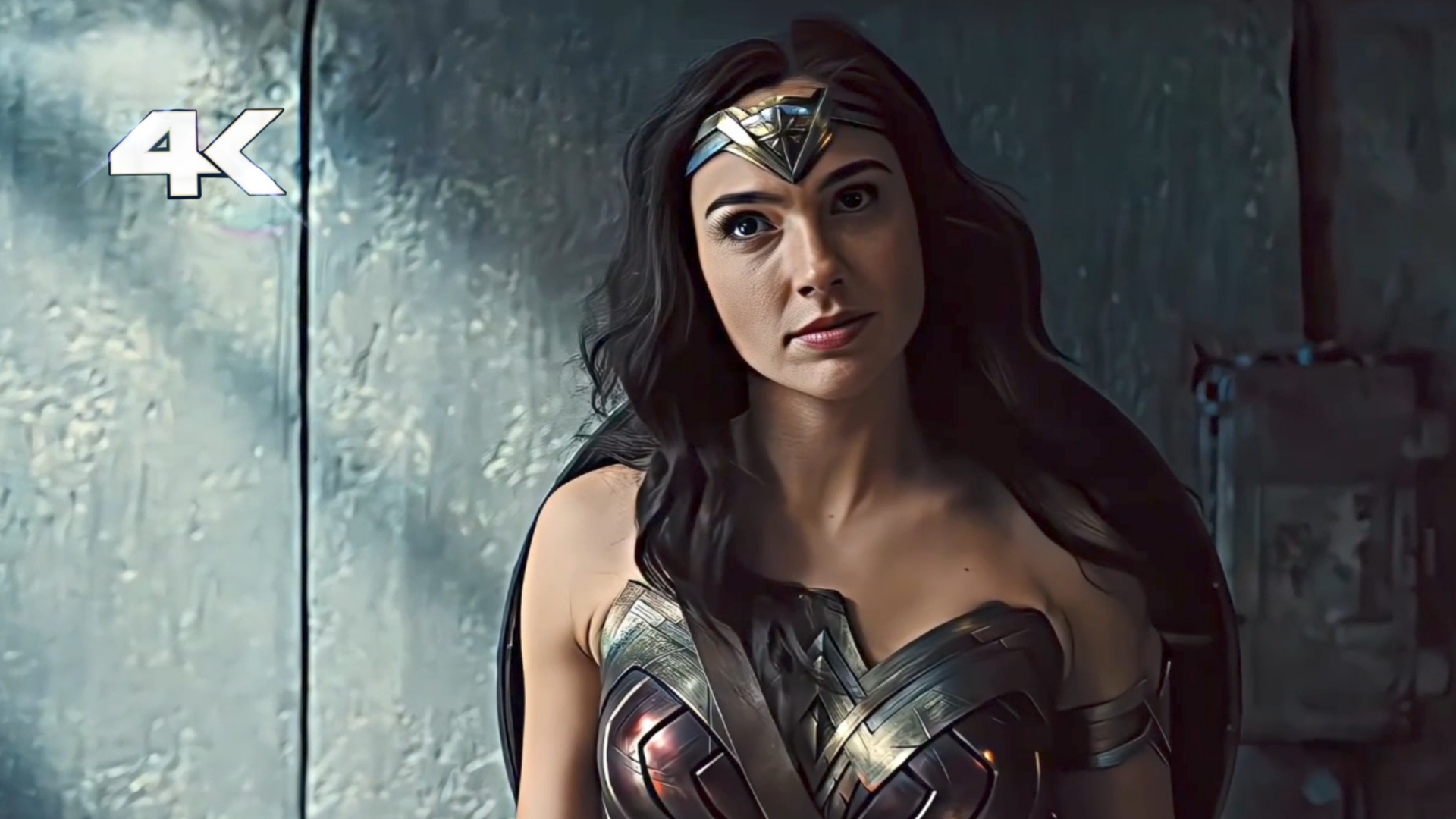
Technically, a Wonder Woman scenepack is a collection of high-quality clips—often from Wonder Woman (2017), Zack Snyder’s Justice League (2021), or Wonder Woman 1984—used by video editors to create Twixtor edits, AMVs, or cinematic tributes. Editors curate these clips for their clarity, emotion, and movement. The goal is to give other creators the raw material to express their own artistic interpretation. Slow motion, glowing overlays, and color enhancement are popular techniques because Wonder Woman’s visual design naturally supports grandeur. Her battles are choreographed like ballet—each motion deliberate and full of purpose. When paired with slow motion or powerful soundtracks, these scenes capture the majesty of a demigoddess moving through chaos with poise.
A standout aspect of any Wonder Woman scenepack is how it portrays her emotional narrative through visuals. Diana Prince is not just a superhero who fights monsters; she’s a bridge between humanity and divinity. Scenes of her running across battlefields, shielding innocents, or staring into the horizon resonate deeply when isolated and edited creatively. Editors often use her iconic “No Man’s Land” sequence—a defining moment where Diana strides across gunfire to save lives—as a centerpiece. In scenepacks, that moment is slowed down, color-enhanced, and often paired with empowering music, transforming it into a visual metaphor for courage against impossible odds. Even without dialogue, the images tell a story of empathy overcoming violence. Wonder Women Scenepack Wonder Women Scenepack Wonder Women Scenepack Wonder Women Scenepack Wonder Women Scenepack Wonder Women Scenepack Wonder Women Scenepack Wonder Women Scenepack Wonder Women Scenepack Wonder Women Scenepack
Lighting and cinematography play an essential role in the power of these scenepacks. Director Patty Jenkins used warm, golden tones to highlight Diana’s nobility and hopefulness, while Zack Snyder employed dramatic contrasts and shadows to emphasize her divine ferocity. Editors take advantage of these cinematic contrasts when crafting edits—choosing between radiant, hopeful clips for uplifting moods or darker, battle-heavy shots for intensity. Wonder Woman’s glowing Lasso of Truth, for instance, becomes a recurring visual motif, representing both literal illumination and symbolic clarity in the fog of war.
But beyond aesthetics, the reason Wonder Woman scenepacks resonate so deeply lies in what she represents. She is one of the few superheroes who leads through compassion rather than dominance. Every slow-motion punch, every shield block, and every glance toward the camera reminds viewers that her power is guided by empathy. In the hands of fan editors, this emotional core is amplified—editors use lighting, motion, and music to emphasize that true heroism is not about destruction, but about belief in the goodness of humanity. In a world often fascinated by darker heroes, Wonder Woman’s light shines brighter when isolated and reinterpreted through visual art.
Ultimately, a Wonder Woman scenepack is more than a compilation of cinematic clips—it’s a celebration of what she stands for: truth, strength, and love. It gives creators a palette of imagery that captures her at her most iconic—her hair flowing through the wind, her armor gleaming like molten gold, her eyes fierce yet compassionate. Each clip serves as a reminder of the power of representation and storytelling. Whether edited into a fast-paced montage or a slow, emotional tribute, Wonder Woman remains a timeless muse for visual artists around the world. Her strength is not only in her battles but in the stories those battles inspire.