♦MOVIES TWIXTOR CLIPS♦
Download Movies Twixtor for Edits : https://moviestwixtor.com/movies-twixtor/
Download Series Twixtor For Edits :https://moviestwixtor.com/movies-clips/
Download Anime Twixtor for Edits : https://moviestwixtor.com/anime-twixtor/
Subscribe to Youtube Channel For More Clips & Twixtors : YOUTUBE
Request Your Fav Anime/Movie Twixtor & Clips : REQUEST TWIXTOR
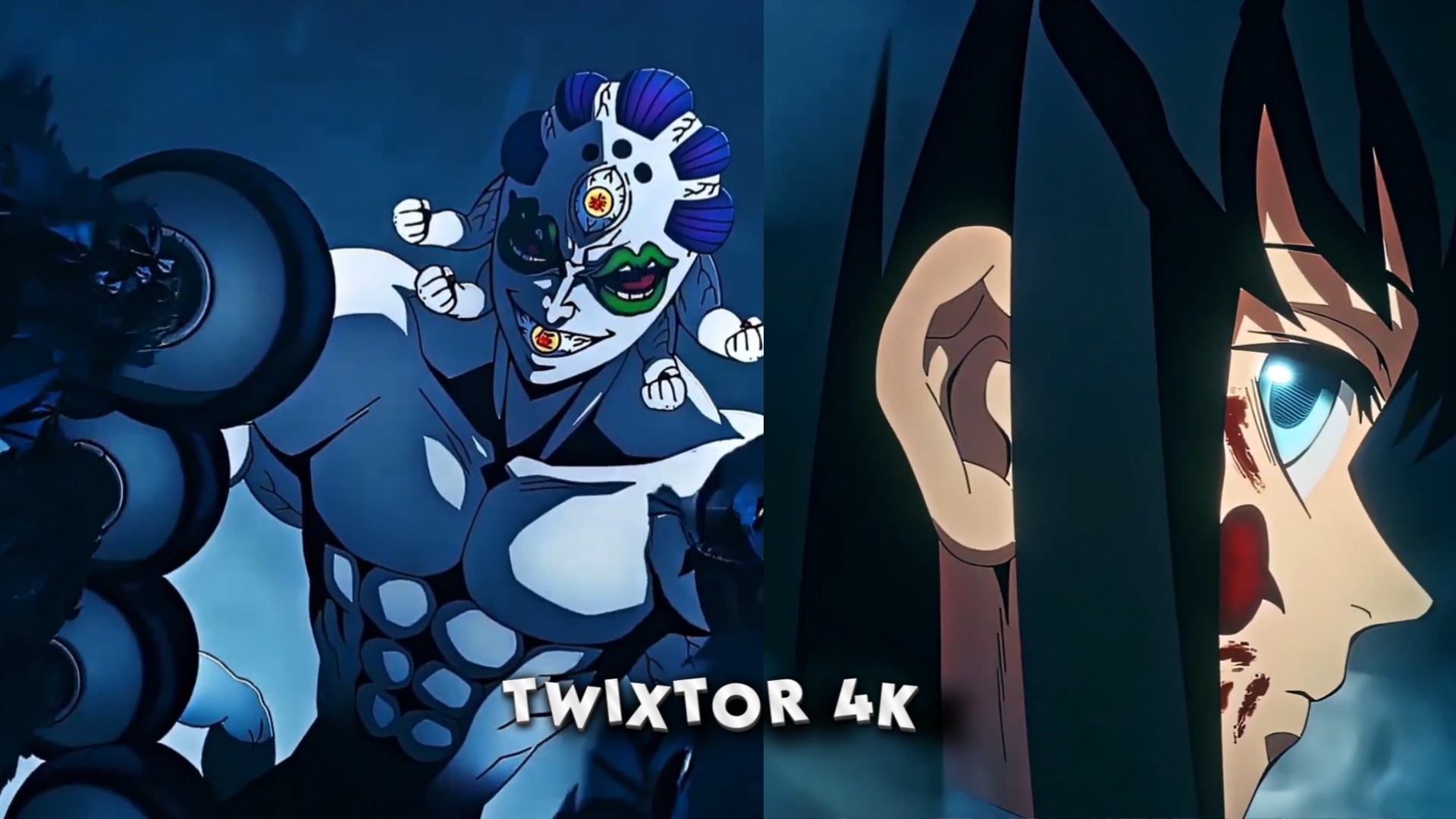
Tokito vs Gyokko Twixtor
Tokito vs. Gyokko
The battle between Muichiro Tokito, the Mist Hashira, and Gyokko, Upper Moon Five, is one of the most transformative and character-defining confrontations in Demon Slayer. What begins as a brutal demonstration of Gyokko’s cruelty evolves into a moment of profound awakening for Tokito, ultimately showcasing his tremendous potential and the hidden depth of his character. The fight stands out not only for its visual brilliance and high-level combat, but for the emotional weight tied to Tokito’s rediscovery of his identity and purpose.
The encounter starts when Gyokko arrives at the Swordsmith Village with malicious delight, targeting the defenseless swordsmiths. Gyokko’s aesthetic is grotesque yet artistic—he views humans not as living beings but as materials for his grotesque “art.” His twisted obsession becomes immediately clear when he proudly displays the horrific “sculpture” made from slaughtered swordsmiths. Tokito, typically emotionless and detached, is shaken. This is a rare moment where his calm façade cracks, hinting at the compassion buried beneath his foggy memories.
Despite being a Hashira, Tokito initially struggles—not because Gyokko overpowers him, but because he is weakened by poison and trapped inside one of the demon’s water-filled pots. Gyokko’s fighting style, based on summoning fish-like demons and manipulating water-based vessels, gives him tremendous versatility. The pot prison seems inescapable, drowning Tokito while fish demons tear at his body. Tokito’s situation appears dire, and Gyokko relishes the slow, suffocating death unfolding before him.
Yet even in this near-fatal moment, Tokito’s mind drifts not toward fear, but toward a memory of Tanjiro’s earlier words: that helping others brings things full circle. This simple encouragement pierces through the fog of Tokito’s fragmented mind. The reminder becomes a spark, triggering the first steps toward recovering the memories of his past—his family, his twin brother Yuichiro, and the tragedies that shaped him. This emotional shift becomes the turning point of the battle.
Reinvigorated, Tokito taps into his determination. Using his blade, he slices through the prison, freeing himself despite the poison coursing through his veins. As he emerges, his mist breathing forms become sharper, more precise, and more fluid. Gyokko, who had dismissed Tokito as childlike and weak, begins to sense the Hashira’s true strength.
Gyokko reveals his true form, transforming into a serpentine, more humanoid demon with increased speed and lethality. Threads he launches from his fingertips can shred through anything, and his newfound agility makes him a deadly opponent. But Tokito, with clarity now restored, moves with newfound grace. His Mist Breathing techniques—characterized by sudden vanishings, unpredictable angles, and seamless transitions—create a sense of ethereal elegance amid the chaos of battle. In these moments, the contrast between the two fighters becomes thematic: Gyokko’s grotesque, obsessive “art” versus Tokito’s serene, almost poetic swordsmanship.
As the fight escalates, Tokito reaches a new level of mastery. His movements become so fast and refined that Gyokko cannot track him. This culminates in his seventh form, Obscuring Clouds, a dazzling technique that constantly shifts Tokito’s speed and visibility. To Gyokko, it’s as if Tokito has vanished completely, appearing only in flashes of concentrated force. In a final, decisive moment, Tokito closes in and decapitates Gyokko cleanly, ending the demon’s monstrous reign in a single elegant strike.
What makes this victory especially meaningful is not merely the defeat of an Upper Moon—a feat worthy of any Hashira—but the personal transformation Tokito undergoes. His regained memories and the emotional awakening they spark reveal the depth of his character. His stoicism isn’t coldness, but the result of trauma and loss. Defeating Gyokko symbolizes not only his physical strength but his liberation from the mist clouding his identity.
In the aftermath, Tokito collapses from exhaustion and poison, yet he is no longer the detached, forgetful child he once seemed. He has regained not just strength, but self-awareness and emotional clarity. His victory over Gyokko stands as a pivotal moment in Demon Slayer, showcasing the beauty of resilience and the power of remembering who you truly are.