♦MOVIES TWIXTOR CLIPS♦
Download Movies Twixtor for Edits : https://moviestwixtor.com/movies-twixtor/
Download Series Twixtor For Edits :https://moviestwixtor.com/movies-clips/
Download Anime Twixtor for Edits : https://animeworldtwixtor.com/
Subscribe to Youtube Channel For More Clips & Twixtors : YOUTUBE
Text Me on Instagram To Request Twixtor / Clips / Promotion : RDJ EDITS / ANIMEWORLD
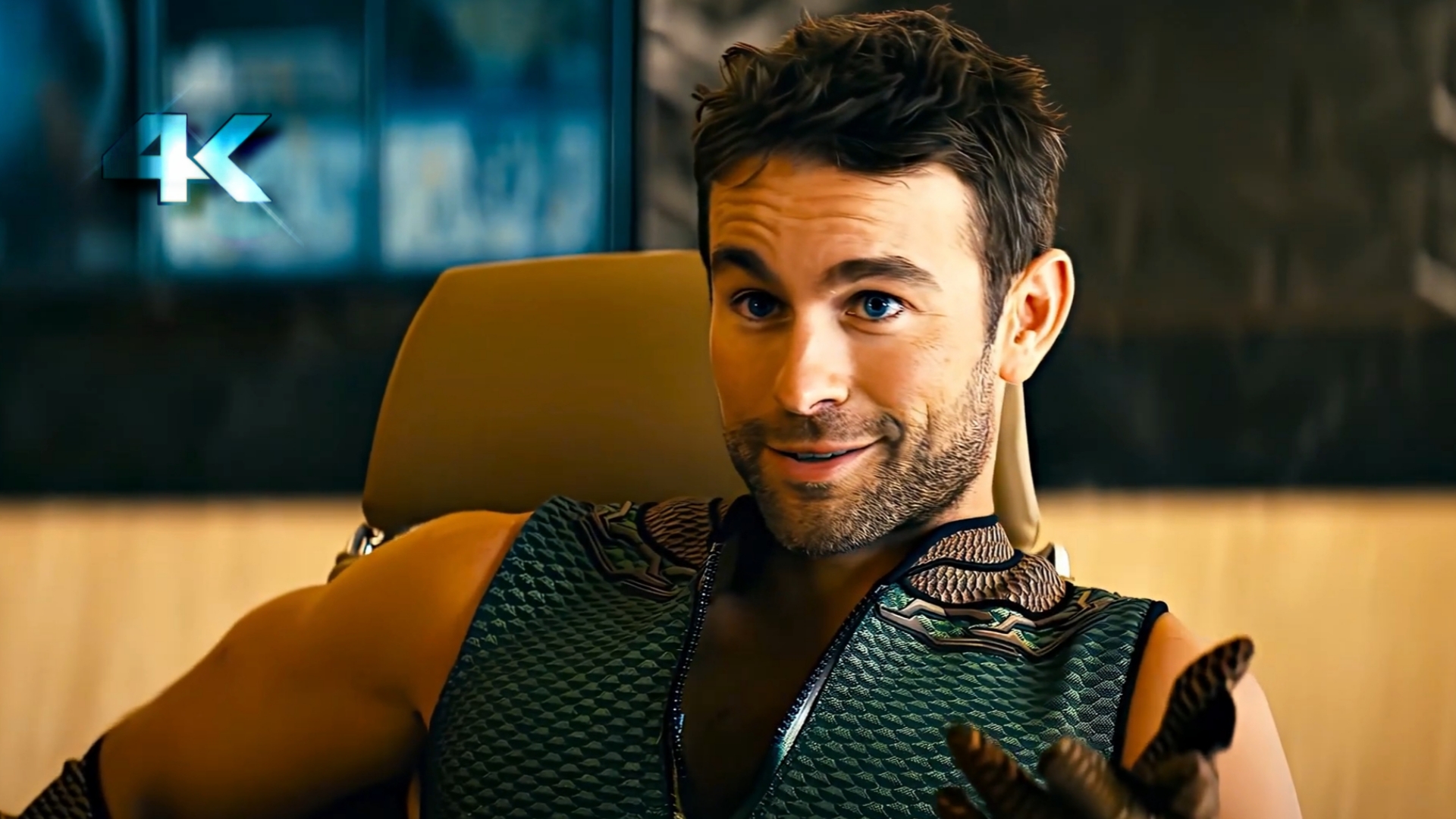
The Deep Twixtor
The Deep: Tragedy, Satire, and the Illusion of Redemption in The Boys
In The Boys, a series defined by its merciless deconstruction of superhero mythology, few characters embody the show’s tone of dark satire and moral decay as completely as The Deep. A parody of Aquaman blended with the insecurities of a Hollywood D-lister, The Deep (Kevin Moskowitz) serves as one of the most uncomfortable and revealing portraits within Vought’s pantheon. His arc is not one of empowerment but of exposure: he is simultaneously villain, victim, punchline, and warning.
From the moment he appears, The Deep represents the shallowest aspects of celebrity culture. As a longtime member of the Seven, he is externally glamorous—handsome, charismatic, and celebrated as the world’s premiere aquatic superhero. Yet beneath that polished surface sits a desperate, insecure figure whose status is built entirely on optics rather than competence. His ocean-based powers are useful only in highly specific circumstances, leaving him constantly overshadowed by Homelander and the more aggressively marketable supes. This inferiority complex drives many of his worst choices, including the abuse he inflicts on others in a misguided attempt at asserting control.
His assault on Starlight in early episodes is the defining moment of his narrative. Rather than treating it as isolated villainy, The Boys uses the incident to dissect systemic abuse within celebrity institutions. The Deep’s behavior mirrors real-world patterns of powerful men using their platform to coerce newcomers—an act rooted not in confidence but in entitlement and fear of irrelevance. When the scandal later comes to light and he is publicly humiliated, the story avoids simplistic redemption. Instead, it explores how performative accountability and institutional scapegoating replace genuine justice. Vought treats The Deep not as a criminal, but as a PR liability to be managed.
Cast out of the Seven, The Deep spirals into a bizarre yet thematically rich series of humiliations. His attempt at rebuilding his life through the cultlike Church of the Collective becomes one of the show’s most biting satirical threads. Through this arc, The Boys illustrates how vulnerable fallen celebrities become to manipulative institutions promising redemption. The Deep joins the Church not out of remorse but because he longs to reclaim status. His therapy sessions with sentient gills, his forced marriage, and the Church’s image-obsessed guidance show how easily fragile identities can be weaponized. These scenes are comedic, yes, but also deeply unsettling; they expose how apology narratives in modern media are often manufactured rather than earned.
Yet The Deep is not portrayed solely as a monster. The show intentionally blurs the line between perpetrator and victim, allowing viewers to see flashes of his inner turmoil. His shame about the gills on his torso reveals a body-image struggle rarely assigned to male characters. His loneliness, anxiety, and craving for validation hint at a damaged psyche shaped by years of commodification. This doesn’t excuse his actions—but it does contextualize them within a culture that rewards appearance and obedience above humanity.
The Deep’s relationship with sea life also provides insight into his fractured identity. He genuinely loves the creatures he communicates with, and some of his most tragic and absurd moments come from failed attempts to rescue them—such as the infamous dolphin escape and the whale beaching. These scenes expose a character who wants to do good but is too incompetent, narcissistic, or misguided to act heroically. His “failures of compassion” embody the show’s central theme: power without integrity leads to harm, even when intentions aren’t malicious.
As the series progresses, The Deep oscillates between self-pity and delusion. Each time he claims he has changed, his actions prove otherwise. He betrays allies, submits to Homelander’s intimidation, and repeatedly chooses image over morality. His arc critiques the real-world phenomenon of public figures attempting to rebrand without addressing the root of their behavior. The Deep doesn’t seek redemption; he seeks reinstatement.
Ultimately, The Deep is one of The Boys’ most nuanced creations—a man shaped by a toxic system he willingly benefits from, yet never escapes. Through him, the series delivers a biting commentary on celebrity culture, accountability, and the illusion of transformation. In The Deep, heroism is a costume, morality is negotiable, and the ocean isn’t nearly deep enough to hide what he truly is.