♦MOVIES TWIXTOR CLIPS♦
Download Movies Twixtor for Edits : https://moviestwixtor.com/movies-twixtor/
Download Series Twixtor For Edits :https://moviestwixtor.com/movies-clips/
Download Anime Twixtor for Edits : https://animeworldtwixtor.com/
Subscribe to Youtube Channel For More Clips & Twixtors : YOUTUBE
Text Me on Instagram To Request Twixtor / Clips / Promotion : RDJ EDITS / ANIMEWORLD
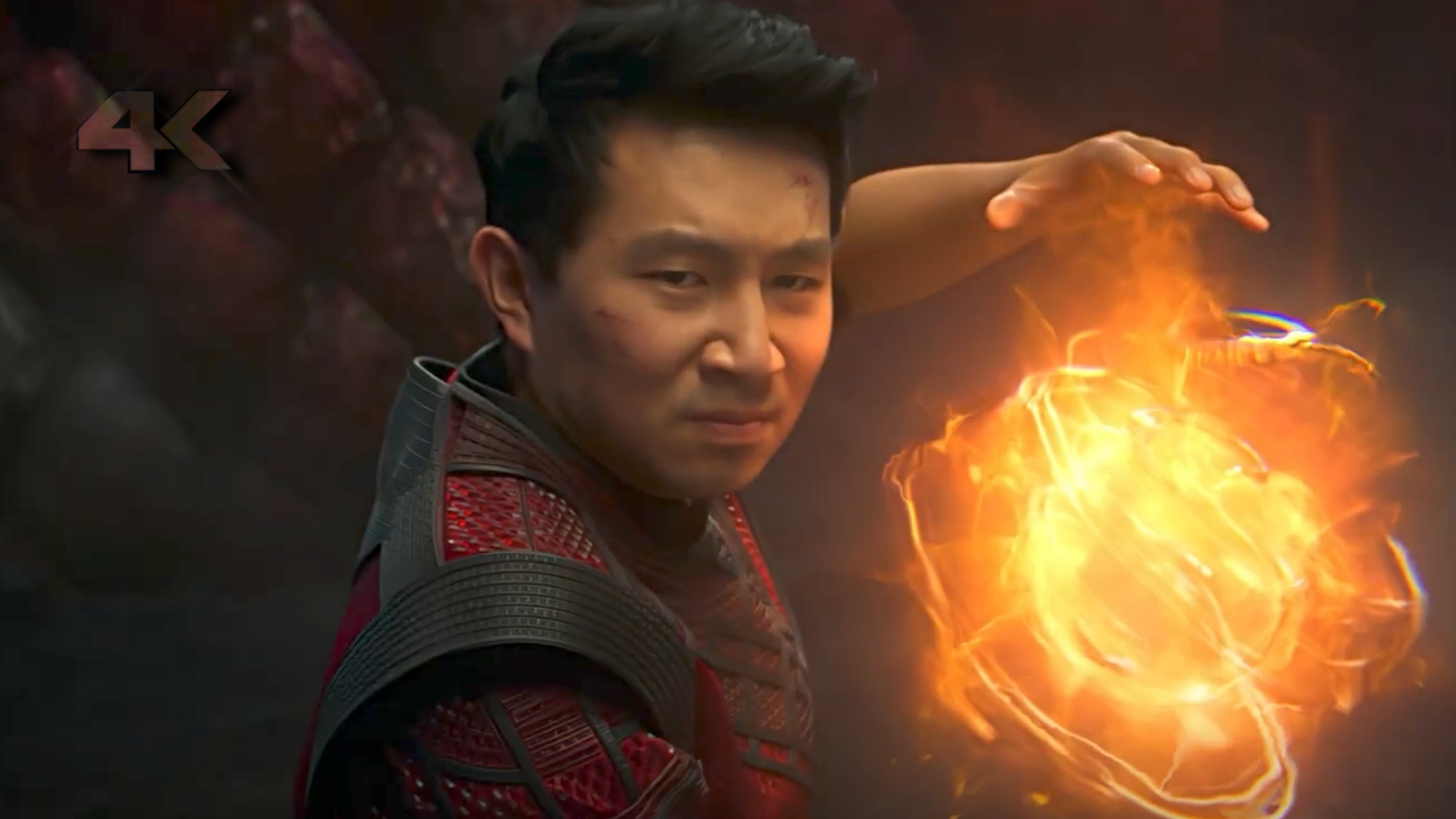
Shang Chi Scenepack
Shang-Chi stands as one of Marvel’s most compelling heroes—a character whose journey blends martial arts mastery, cultural identity, and emotional growth into a story that is both deeply personal and universally resonant. First introduced in Marvel Comics in the 1970s and revitalized for global audiences in the Marvel Cinematic Universe (MCU), Shang-Chi represents a new kind of superhero: one who confronts not just external threats, but the complicated legacy of family, heritage, and self-definition.
In the comics, Shang-Chi is often called the “Master of Kung Fu,” a martial artist trained from childhood to be the ultimate weapon. His early storylines revolve around breaking free from the influence of his father—originally Fu Manchu in the comics, later reimagined as Zheng Zu—whose villainy defines much of Shang-Chi’s internal conflict. From the beginning, his identity is intertwined with resistance: resistance to control, to violence imposed upon him, and to the destiny others wrote on his behalf. Shang-Chi’s power comes not from supernatural abilities but from discipline, skill, and an unwavering moral compass.
The MCU adaptation, Shang-Chi and the Legend of the Ten Rings (2021), reimagines and deepens this narrative. Played with charisma and emotional nuance by Simu Liu, Shang-Chi emerges as a reluctant hero trying to carve out a normal life. Living in San Francisco and working as a valet, he hides from his past, using humor and companionship—particularly his friendship with Katy—to avoid confronting the trauma he left behind. Yet the past, embodied by his father Wenwu and the Ten Rings organization, refuses to stay buried.
Shang-Chi’s conflict with Wenwu forms the emotional core of his story. Wenwu is no ordinary antagonist; he is a father driven by grief, love, and centuries of power. Their relationship is layered with affection, fear, resentment, and longing. Shang-Chi loves the father who once nurtured him, but he also fears the man who later trained him to kill. His journey is not simply about defeating a villain but about reconciling the pieces of himself shaped by his upbringing—the warrior, the child abandoned by grief-stricken parents, and the young man trying to define his own path. This makes his story deeply relatable, even beyond its fantastical elements.
The film’s use of martial arts is not merely spectacle but storytelling. Shang-Chi’s movements reflect his evolution: the rigid, aggressive style drilled into him as a child eventually softens into the flowing, almost poetic style inspired by his mother’s village, Ta Lo. This physical transformation mirrors his emotional journey. He does not reject his past entirely; instead, he integrates both sides of his heritage to become something stronger than either parent alone could have created.
Shang-Chi’s relationship with Katy provides a grounding counterbalance to his internal struggles. Their friendship is refreshingly platonic yet emotionally intimate, a depiction of the kind of chosen family that supports and uplifts without conditions. Katy’s unwavering loyalty helps Shang-Chi confront truths he’s avoided for years, and in turn, Shang-Chi inspires her to embrace courage and possibility. Their dynamic emphasizes one of the story’s main themes: identity is built not only from where we come from, but from who we allow into our lives.
The Ten Rings themselves symbolize both burden and legacy. In the MCU, they are weapons of immense power, tied to Wenwu’s long history of conquest. When Shang-Chi ultimately wields them, he does so not through domination but through harmony and balance—a reflection of the man he has become. The rings shift colors, mirroring the influence of his mother’s gentler philosophy blending with his father’s discipline. It’s a visual metaphor for self-acceptance and transformation.
Shang-Chi’s significance extends beyond narrative. As the MCU’s first Asian lead superhero, he represents groundbreaking representation on a global stage. His story celebrates Asian culture without leaning on stereotype, offering a hero whose struggles and triumphs resonate universally while honoring his cultural roots. This combination of authenticity, complexity, and heart makes Shang-Chi a milestone character.
Ultimately, Shang-Chi is a hero defined not by destiny but by choice. His journey is about reclaiming identity, confronting pain, and embracing the power within. Through courage, compassion, and resilience, he becomes more than a martial arts master—he becomes a symbol of balance, healing, and the strength that comes from knowing who you truly are.