♦MOVIES TWIXTOR CLIPS♦
Download Movies Twixtor for Edits : https://moviestwixtor.com/movies-twixtor/
Download Series Twixtor For Edits :https://moviestwixtor.com/movies-clips/
Download Anime Twixtor for Edits : https://moviestwixtor.com/anime-twixtor/
Subscribe to Youtube Channel For More Clips & Twixtors : YOUTUBE
Text Me on Instagram To Request Twixtor / Clips / Promotion : RDJ EDITS
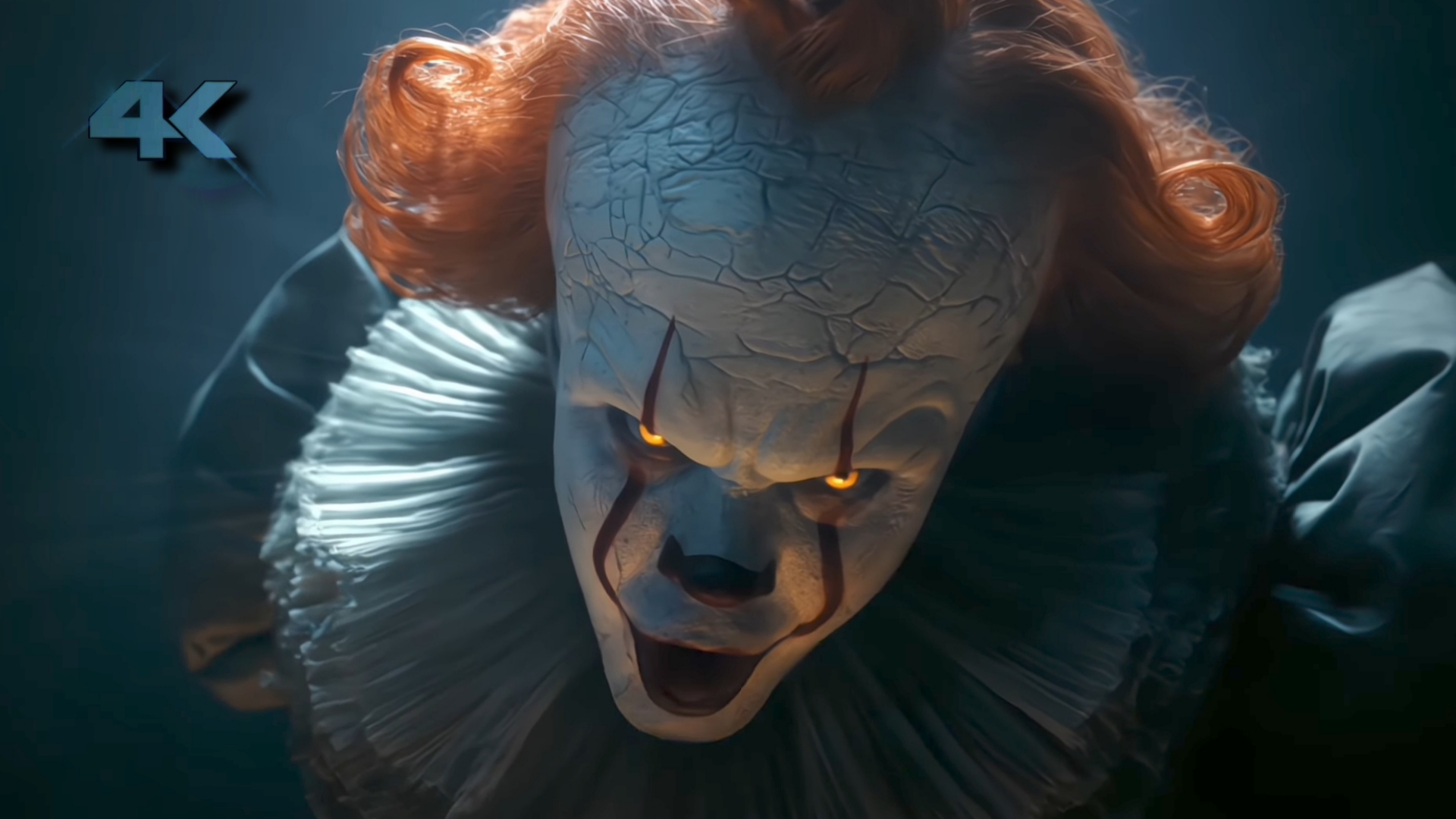
Pennywise Twixtor
Pennywise in Welcome to Derry —
Derry, Maine has always been a town with secrets, but none as ancient or as ravenous as the evil that slithers beneath its streets. In Welcome to Derry, the familiar dread of Stephen King’s universe coils tighter around the audience as the origins and influence of Pennywise—the Dancing Clown, the eater of worlds, the nightmare that never sleeps—are explored in unsettling detail. While the series widens the lens beyond the Losers Club, it never loses sight of the being that has made Derry one of horror’s most haunted landscapes.
Pennywise is not merely a monster that takes the shape of a clown. He—or rather It—is a cosmic predator, a creature from the Macroverse whose true form eludes human perception. But in Welcome to Derry, the clown persona becomes even more central, not just as a mask but as a symbol of the town’s corrupted heart. The show frames Pennywise as a presence woven into the cultural fabric of Derry long before the events of King’s novel or the later encounters depicted in the films. From the earliest whispers of missing children to the twisted folklore passed among generations, Pennywise has always been there, waiting.
The series deepens the mythology by casting light on how Pennywise chooses its forms. Fear, after all, is its language—its nourishment. In Welcome to Derry, we see glimpses of how It studies the town’s inhabitants, molding its appearance to exploit their most intimate anxieties. Whether through illusions, apparitions, or the deceptive friendliness of a carnival grin, Pennywise becomes a master of psychological manipulation. The clown is shown not simply as a creature lurking in the sewers but as a ghostly shadow across Derry’s collective psyche.
One of the most compelling aspects of Pennywise in this expanded narrative is the interplay between terror and charm. The show doesn’t shy away from the disturbing charisma that has made Pennywise so iconic. There are moments when the clown’s presence is almost theatrical—an exaggerated bow, a fluttering of oversized gloves, a frozen grin that refuses to match the deadness in its eyes. This performance-like quality adds layers to its predatory nature; Pennywise is not just hunting bodies, but delighting in the spectacle of fear itself. Each encounter is a show, and each victim is both audience and prey.
Welcome to Derry also amplifies the idea that Pennywise is inextricably tied to the town’s history of violence and neglect. The creature feeds not only on individual fear but on communal decay—bigotry, grief, corruption, and silence. These emotional fractures make Derry fertile ground for something like Pennywise to thrive. The series suggests that the clown is both a symptom and an architect of the town’s darkest eras, influencing events subtly, nudging tragedies into place, and savoring the aftermath.
Visually, the portrayal of Pennywise in Welcome to Derry leans into atmosphere rather than constant spectacle. Shadows shift a little too deliberately; laughter echoes without a source; balloons appear where no child should be. When Pennywise finally materializes, the impact is sharper, colder, earned. The show’s approach reminds viewers that horror is often most effective when what’s unseen feels more threatening than what’s shown outright.
But perhaps the most chilling aspect of Pennywise’s role in the series is how it forces the audience to confront their own relationship with fear. Pennywise is not simply a creature of folklore; it is a mirror, reflecting the deepest terrors lurking within the people of Derry—and, by extension, within us. The clown is terrifying because it understands the fragility of the human mind and pushes exactly where it hurts most.
In Welcome to Derry, Pennywise is not merely returning—It is expanding, unfolding, revealing dimensions of horror that linger long after the screen fades to black. Through psychological depth, atmospheric dread, and the uncanny playfulness that defines the character, the series reinforces Pennywise’s status as one of the most unsettling figures in modern horror. And as always, the clown’s message remains the same, whispered beneath the town’s surface: It has been here. It will always be here. And it is hungry.