♦MOVIES TWIXTOR CLIPS♦
Download Movies Twixtor for Edits : https://moviestwixtor.com/movies-twixtor/
Download Series Twixtor For Edits :https://moviestwixtor.com/movies-clips/
Download Anime Twixtor for Edits : https://moviestwixtor.com/anime-twixtor/
Subscribe to Youtube Channel For More Clips & Twixtors : YOUTUBE
Request Your Fav Anime/Movie Twixtor & Clips : REQUEST TWIXTOR
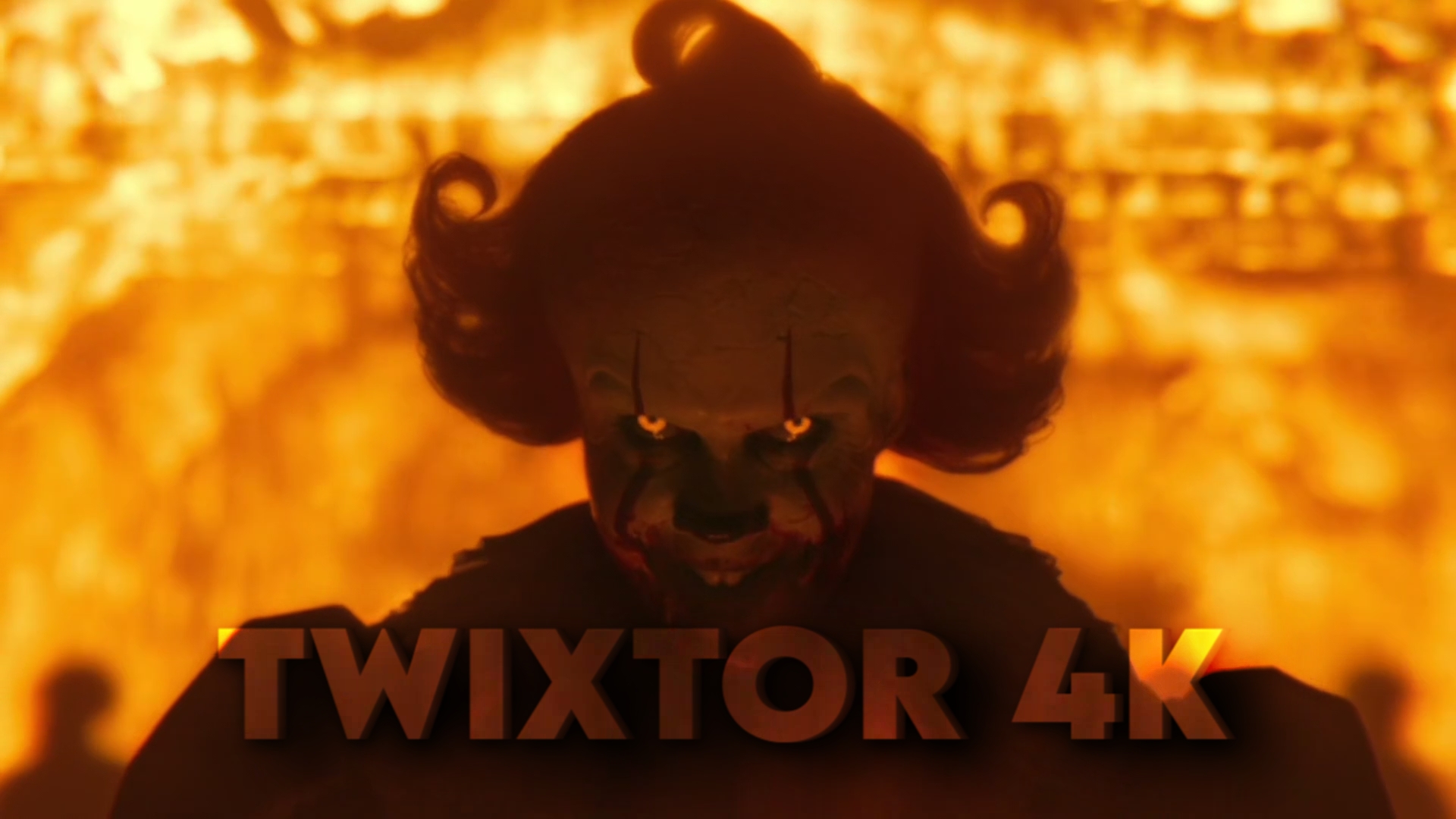
Pennywise Dancing Clown Twixtor
Pennywise the Dancing Clown, perhaps Stephen King’s most haunting creation, stands as one of modern horror’s most enduring symbols. More than a simple monster, Pennywise is the preferred face of an ancient, otherworldly entity known only as It, a being that arrived on Earth long before humans set foot in Maine. Though Pennywise is merely one shape It adopts, the clown persona has become inseparably tied to the character, a fusion of childish innocence and predatory malice that perfectly captures the novel’s themes: the corruption of childhood, the persistence of trauma, and the terror that lurks beneath the familiar.
The creature’s primary power lies in fear. It does not merely use fear as a tool; It feeds on it, finding terror to be “salty and sweet” compared to the metaphorical meat of its victims. Pennywise can shapeshift into whatever form its prey fears most—werewolves, lepers, giant birds—but the clown form is its favorite, a lure intended to draw children closer. Children, after all, are more imaginative and therefore easier for It to terrify. Pennywise’s appearance—a bright suit, glowing eyes, a smile stretched just a bit too wide—is a grotesque parody of a figure meant to comfort and entertain.
Pennywise resides beneath the town of Derry, Maine, a place It has manipulated for centuries. Derry itself becomes almost a character in the novel, a town whose history is soaked in blood, where horrific violence recurs every twenty-seven years with eerie regularity. Pennywise awakens from a kind of hibernation to feed, and when It does, Derry’s worst impulses bubble to the surface. King suggests that It exerts a psychic influence over the town, encouraging apathy, cruelty, and collective forgetting. The adults of Derry, whether consciously or not, allow atrocities to occur, turning away from missing children, unexplained deaths, and supernatural phenomena. This indifference is one of the most disturbing elements of the story, pointing to horror not only in monsters but in human complacency.
Against Pennywise stands the Losers’ Club, a group of seven misfit children who bond through shared vulnerability and courage. Pennywise terrorizes each of them individually before they unite, presenting itself in personalized forms drawn from their deepest fears. Yet the Losers discover that It can be weakened—though not fully destroyed—by bravery, unity, and imagination. It is in these children that King locates hope, demonstrating that fear loses power when confronted collectively. Their battle with Pennywise becomes not only a fight for survival but a metaphor for confronting the traumas that shape childhood.
When the Losers return to Derry as adults, Pennywise has resurfaced, stronger and mocking them with the certainty that adults, stripped of the imagination and intuitive courage of childhood, are easier prey. Much of the tension in the story’s second half comes from watching the characters grapple with forgotten memories, lost innocence, and lingering scars. They must reclaim the emotional truths they once knew instinctively. Their return to confront Pennywise is both an external and internal journey, requiring them to face unresolved fears and the parts of themselves they abandoned.
What makes Pennywise truly terrifying is not simply Its monstrous abilities but the way King uses the creature to explore the metaphorical horrors of growing up. The clown becomes a vessel for anxieties about abuse, marginalization, and loss of safety. Pennywise’s taunts—gleeful, mocking, almost childish—highlight the cruel games fear can play inside the human mind. At times, the clown speaks in a silly, singsong voice; at others, its words drip with ancient malice. This shifting tone underscores Its fundamental nature: a predator that can mimic anything except genuine empathy.
Pennywise endures in popular culture because it captures something primal. Clowns, with their painted faces and exaggerated expressions, have long walked the line between delightful and disturbing. Pennywise pushes that tension to its extreme, embodying the nightmare version of something meant to be harmless. In King’s universe, the true terror is not simply that a monster hides in the sewer but that fear itself can take any form—and that the only real defense lies in the courage to face it.