♦MOVIES TWIXTOR CLIPS♦
Download Movies Twixtor for Edits : https://moviestwixtor.com/movies-twixtor/
Download Series Twixtor For Edits :https://moviestwixtor.com/movies-clips/
Download Anime Twixtor for Edits : https://moviestwixtor.com/anime-twixtor/
Subscribe to Youtube Channel For More Clips & Twixtors : YOUTUBE
Request Your Fav Anime/Movie Twixtor & Clips : REQUEST TWIXTOR
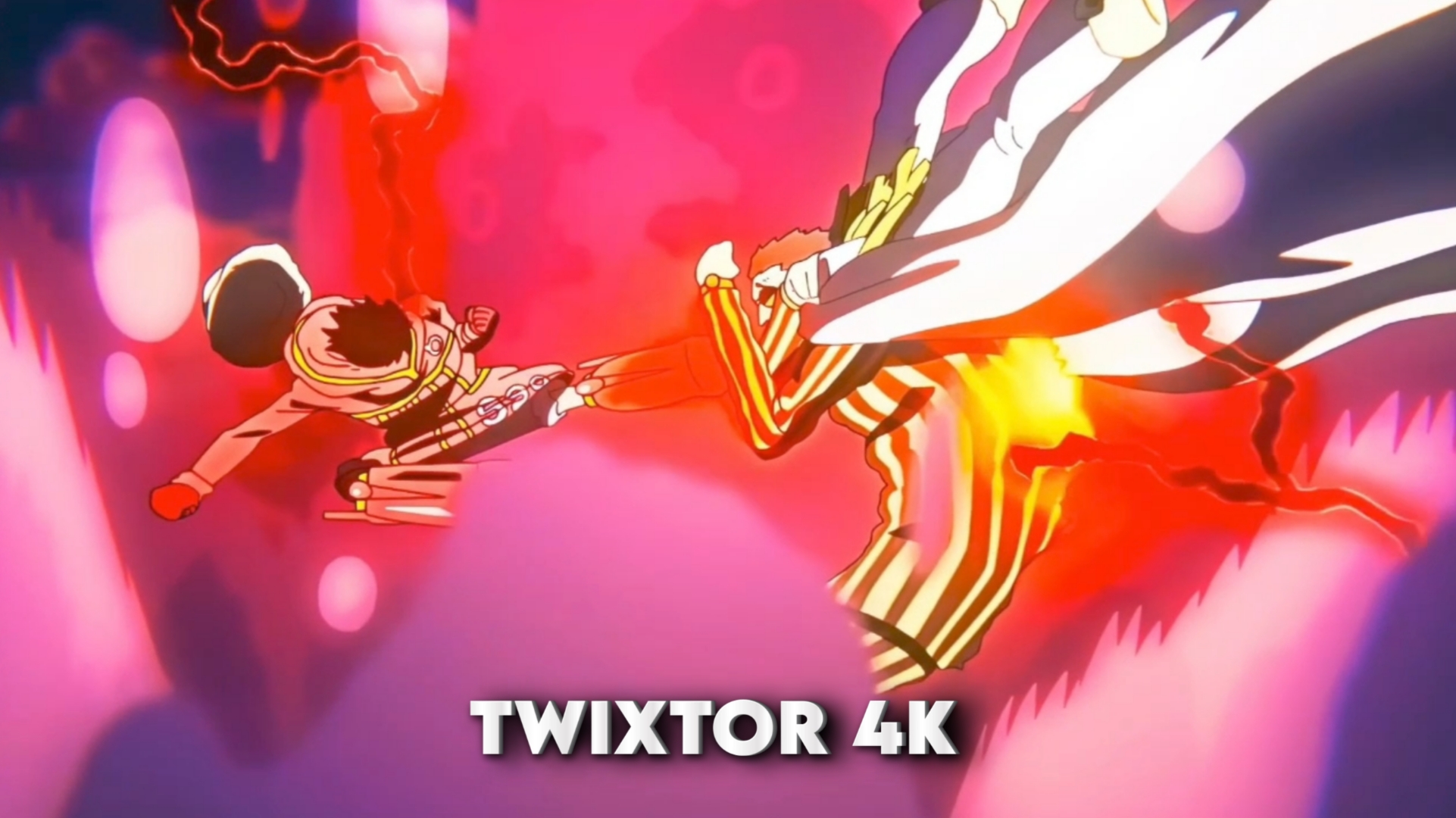
Luffy and Kizaru Twixtor
Luffy vs. Kizaru: Freedom Collides with Absolute Justice
The clash between Monkey D. Luffy and Admiral Kizaru is one of the most symbolically rich confrontations in One Piece. It is not merely a battle of strength but a collision between two worldviews: freedom versus authority, will versus obligation. Their encounter during the Egghead arc represents how far Luffy has come since his humiliating defeat at Sabaody, while also redefining what it means to challenge the World Government directly.
Kizaru, also known as Borsalino, embodies the concept of “unclear justice.” Unlike Akainu’s ruthless absolutism or Aokiji’s conflicted morality, Kizaru operates with detachment. He follows orders without emotional investment, moving at the speed of light both literally and figuratively—fast, efficient, and seemingly unstoppable. For much of the series, this made him feel invincible. At Sabaody, Kizaru effortlessly overwhelmed the Supernovas, including Luffy, exposing how insignificant they were compared to the true powers of the world.
Luffy’s return to face Kizaru is therefore deeply personal. This is not the reckless rookie from before the timeskip. This is a Yonko, a man who has awakened the true nature of his Devil Fruit and embraced his identity as the warrior of liberation. When Luffy confronts Kizaru on Egghead, the power dynamic has fundamentally shifted. For the first time, Kizaru is not facing a desperate underdog—he is facing an equal.
Gear Fifth plays a crucial role in redefining this battle. Unlike traditional power-ups, Gear Fifth is unpredictable, cartoonish, and fueled by imagination. It turns combat into something almost playful, directly opposing Kizaru’s rigid, mechanical approach to justice. Where Kizaru is precise and linear, Luffy is chaotic and free. This contrast transforms the fight into a philosophical debate expressed through fists.
Kizaru’s light-based abilities symbolize the overwhelming reach of the World Government. Light travels everywhere, touches everything, and cannot easily be stopped. Yet Luffy repeatedly proves that even light can be challenged when met with unbreakable will. The fact that Luffy can react to, counter, and even overwhelm Kizaru’s speed highlights how much he has surpassed his former limitations. It is a visual declaration that the age of pirates trembling before Admirals is ending.
What makes the fight especially compelling is Kizaru’s internal conflict. Unlike Akainu, Kizaru is not cruel by nature. His mission on Egghead forces him to act against people he personally respects, including Dr. Vegapunk and Sentomaru. This hesitation subtly weakens him. Luffy, on the other hand, fights with absolute clarity of purpose: protect his friends and preserve freedom. In One Piece, clarity of will often decides battles more than raw power, and this difference becomes increasingly evident as the fight progresses.
The battle also serves as a narrative mirror to Sabaody. Back then, Luffy was powerless to protect anyone. Now, he actively shields his crew and allies from an Admiral’s assault. This reversal reinforces one of One Piece’s core themes: growth through perseverance. Luffy did not gain strength to dominate others; he gained it to ensure that no one could ever make him helpless again.
From a broader story perspective, Luffy vs. Kizaru signals the beginning of the final era. An Emperor openly clashing with a Marine Admiral while challenging the World Government’s authority is no longer unthinkable—it is reality. The balance of power is breaking down, and characters like Kizaru, who exist to maintain that balance, are being forced into uncomfortable positions.
In conclusion, Luffy vs. Kizaru is more than a high-level fight. It is a symbolic passing of the torch from an era ruled by fear and control to one driven by freedom and self-expression. Luffy does not defeat Kizaru by rejecting justice—he defeats him by redefining what justice can look like. In doing so, the battle cements Luffy not just as a powerful pirate, but as a true liberator standing against the light of oppression with a smile on his face.