
♦MOVIES TWIXTOR CLIPS♦
Download Movies Twixtor for Edits : https://moviestwixtor.com/movies-twixtor/
Download Series Twixtor For Edits :https://moviestwixtor.com/movies-clips/
Download Anime Twixtor for Edits : https://animeworldtwixtor.com/
Subscribe to Youtube Channel For More Clips & Twixtors : YOUTUBE
Text Me on Instagram To Request Twixtor / Clips / Promotion : RDJ EDITS / ANIMEWORLD
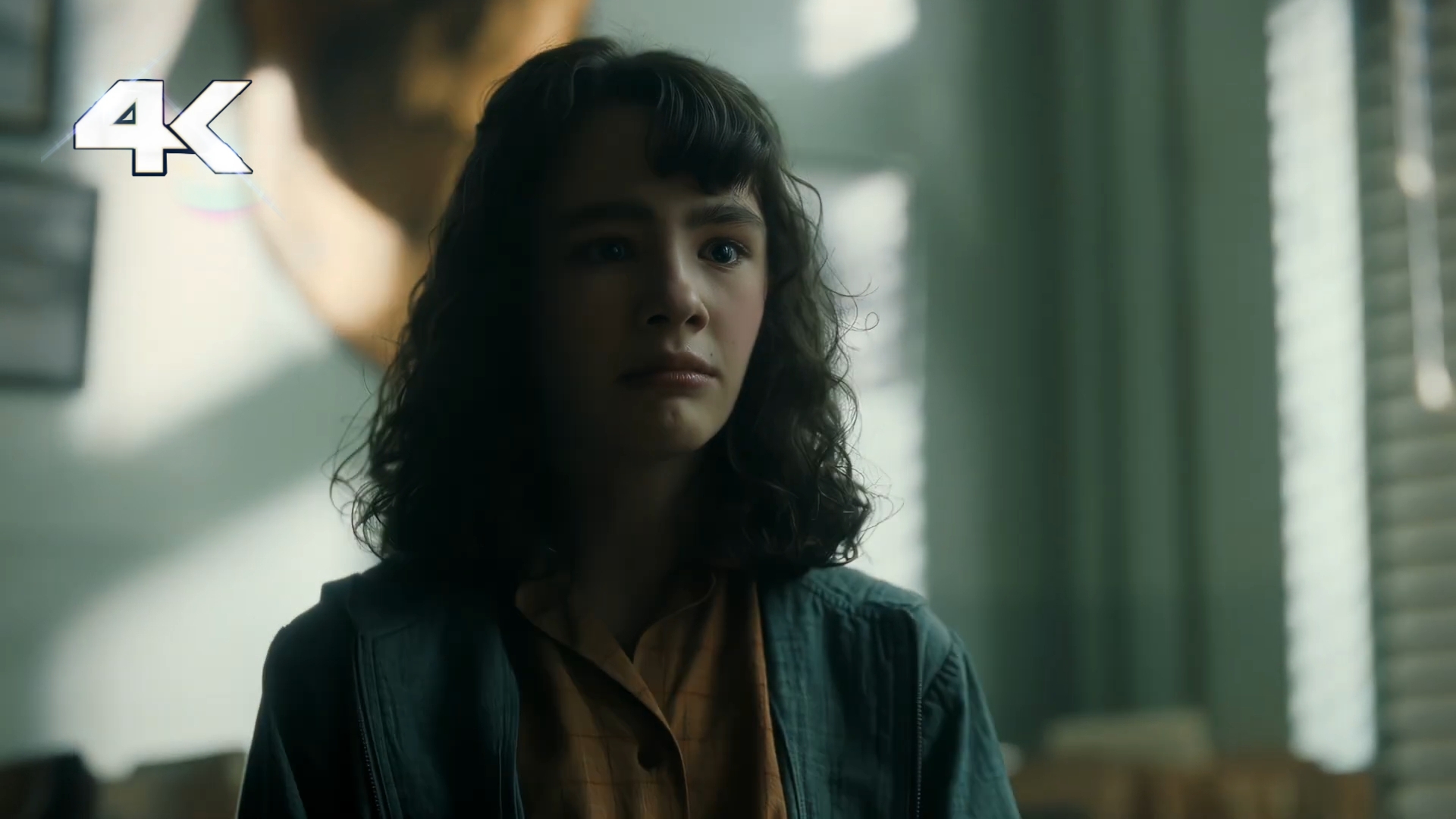
Lilly Bainbridge Scenepack
Lilly Bainbridge: A Portrait of Fear, Loss, and Resilience
Lilly Bainbridge enters the world of It: Welcome to Derry as a girl whose life is already marked by tragedy and emotional burden. According to casting and character notes, Lilly is “a girl dealing with the death of her father, an absent mother and guilt.” Wikipedia+1 These early losses shape her worldview — she carries grief, disorientation, and unspoken trauma, a fragile emotional core beneath outward appearance.
Despite that, she is thrust into a world of horror and supernatural terror as the series unfolds. In a town haunted by ancient evil, Lilly’s journey represents more than survival — it’s a struggle for identity, belonging, and confronting inner demons as much as external ones.
Childhood, Trauma, and Guilt
From the start, Lilly’s childhood is overshadowed by loss. Her father is dead. Her mother is absent. Such circumstances would burden anyone, especially a child. As the vehicle for her grief, guilt often haunts Lilly: guilt over loss, guilt for surviving, perhaps guilt for things unspoken. This emotional weight makes her vulnerable — but also more complex, more human. She is not the fearless hero who walks in unburdened; she is someone shaped by sorrow, forced to face fear — both personal and cosmic.
In this sense, Lilly embodies the darker side of coming-of-age: growing up not by innocence, but by trauma. Her guilt isn’t melodramatic — it’s quiet, persistent, a companion she carries even before the horrors begin. It frames the way she interacts with her friends, the way she trusts, and the way she fears. When supernatural terror takes hold of the town, Lilly’s prior pain may resonate with — or amplify — the horror, making her journey more psychologically intense than purely physical danger.
Friendship, Loyalty, and Vulnerability
Despite her inner turmoil, Lilly does not journey alone. She is part of a group: in casting notes, she is connected with a friend named Marge Truman, and another child friend named Ronnie Grogan. Wikipedia In horror — and in real trauma — connection matters. For Lilly, friendship offers both solace and danger: solidarity, but also witnesses, secrets, shared trauma, and complicated guilt.
Through friendships, she likely learns to navigate the line between distrust and hope, fear and support. Her vulnerability becomes part of her strength. She represents those children in horror stories who, despite being burdened by fate, step up, because in horror often what counts isn’t purity or innocence — but courage, resilience, and the will to survive. Lilly’s loyalty to her friends, even when haunted by her past, becomes an anchor.
Confronting Fear — External and Internal
In a town like Derry — haunted by an ancient evil, by supernatural horror — fear is everywhere. For Lilly, external fear collides with her internal pain. The supernatural horrors, the haunting, the monstrous threat — that’s one layer. Beneath it lies the psychological horror: loss, memories, guilt, grief.
This dual burden pushes Lilly into conflict: not just with monsters, but with herself. Her journey isn’t only about defeating evil — it’s about coming to terms with what she has lost, what she fears, and what guilt she carries. That makes her arc potentially more tragic, more human, and more emotionally resonant than a simple “child-survives-evil” narrative. Her trauma gives her depth. Her fear makes the stakes personal.
Strength Through Imperfection
Lilly is not portrayed as a flawless hero. She is vulnerable. She is haunted. She is guilt‑ridden. Yet, that imperfection is precisely what makes her compelling. In horror fiction — and in real life — strength often emerges not from purity or invulnerability, but from struggle, from coping under pressure, from having to make choices when one is already broken.
If she survives, it will likely not be because she is unscathed — but because she endures. Because she stands, despite fear. Because she refuses to let grief control her. In that resistance lies courage. The audience might not root for a perfect child — but for a real one: scared, flawed, torn, yet still daring to fight.
Symbolism: Childhood Lost, Horror Inherited
Lilly’s character represents more than just one child’s personal story. She stands for many — children who carry trauma, grief, loss; for innocence that gets corrupted too early; for the fragile boundary between childhood and cold reality. In a horror story, especially one set in a haunted town like Derry, she becomes symbolic: childhood lost to horror, innocence compromised by legacy. But also — resilience forged through pain, bravery born from necessity.
Through Lilly, the creators may be showing that horror isn’t only about monsters under the bed or in the shadows — sometimes, it lurks in loss, in unaddressed grief, in guilt carried for years. As such, her arc can resonate with viewers who understand pain, survival, and the cost of memory.