
♦MOVIES TWIXTOR CLIPS♦
Download Movies Twixtor for Edits : https://moviestwixtor.com/movies-twixtor/
Download Series Twixtor For Edits :https://moviestwixtor.com/movies-clips/
Download Anime Twixtor for Edits : https://animeworldtwixtor.com/
Subscribe to Youtube Channel For More Clips & Twixtors : YOUTUBE
Text Me on Instagram To Request Twixtor / Clips / Promotion : RDJ EDITS / ANIMEWORLD
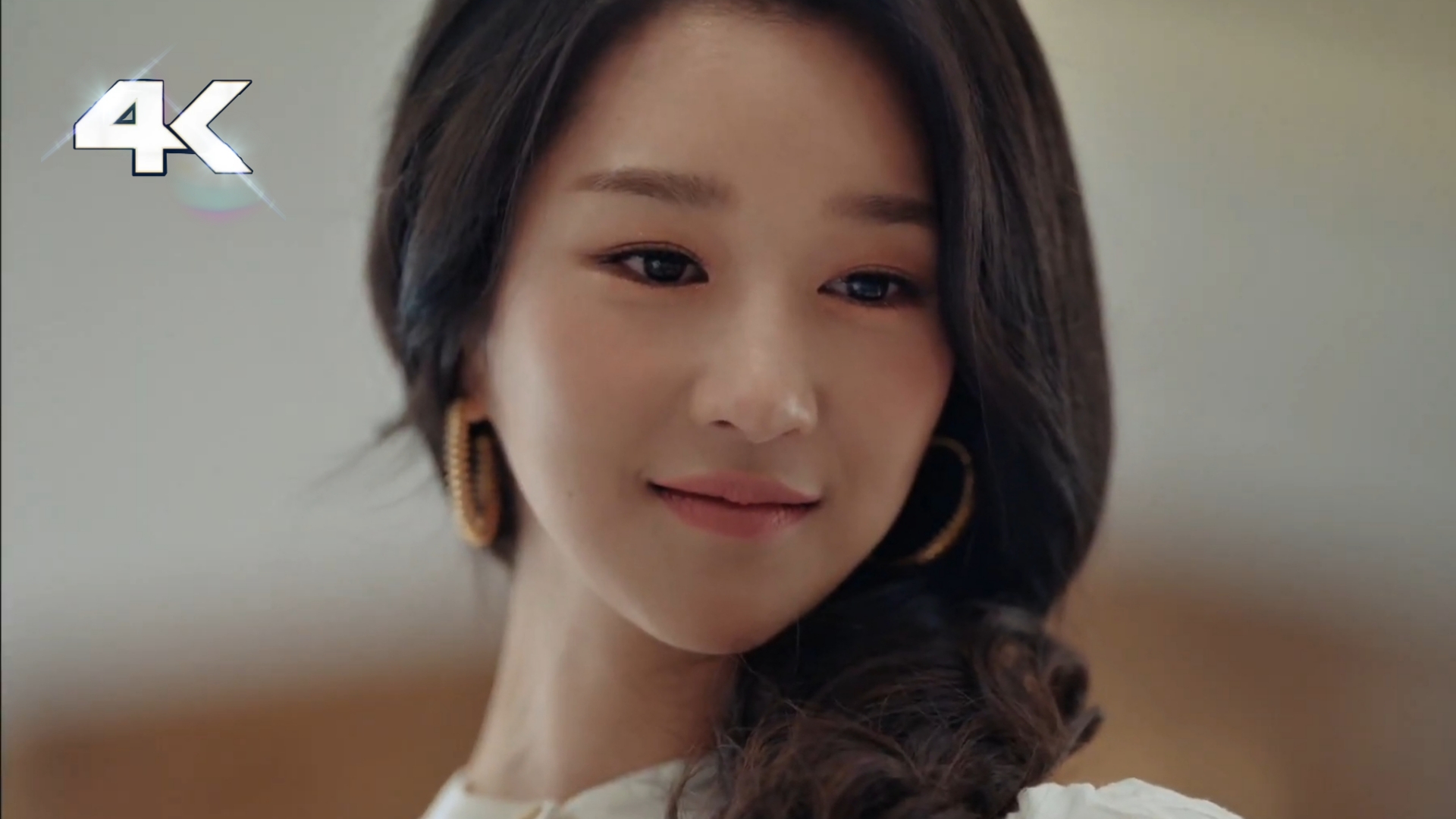
Ko Moon young Scenepack
Ko Moon-young, the female lead of the acclaimed South Korean drama It’s Okay to Not Be Okay (2020), is a captivating, complex character whose journey explores the intersections of trauma, love, and personal growth. Portrayed by actress Seo Ye-ji, Moon-young is introduced as a successful and popular children’s book author known for her striking beauty, sharp wit, and unapologetically bold personality. Her charisma and intelligence immediately draw attention, but beneath the polished exterior lies a deeply scarred individual, shaped by a traumatic childhood and years of emotional neglect.
From the outset, Moon-young is presented as confident, assertive, and often provocatively blunt. She is unapologetically herself, often crossing social boundaries with biting humor and fearless honesty. This surface-level bravado masks her vulnerability and emotional wounds. Her behavior is frequently interpreted as selfish or abrasive by others, yet the drama gradually reveals that her actions are a shield against the pain she has endured. Her childhood was marked by neglect and abuse, leading her to develop a cynical view of love and trust. Moon-young’s upbringing in a dysfunctional household left deep psychological scars, influencing her adult relationships and her emotional coping mechanisms.
The series juxtaposes Moon-young’s outwardly bold persona with her inner fragility, creating a layered and relatable character. Her connection with Moon Gang-tae, the male lead, serves as the catalyst for her emotional transformation. Gang-tae, a caretaker for his autistic older brother, displays patience, empathy, and unconditional care—qualities that contrast sharply with the harshness of Moon-young’s past experiences. Initially, Moon-young approaches him with her usual teasing, confrontational style, but over time, she gradually allows herself to be vulnerable, revealing the tender, sensitive side that she hides from the world. Their evolving relationship is central to the narrative, showing how trust, understanding, and compassion can facilitate healing from deep-seated trauma.
Moon-young’s development throughout the series also highlights themes of self-discovery and emotional resilience. She confronts her painful past, including unresolved issues with her parents and early childhood experiences, which shaped her self-perception and worldview. Through therapy sessions, reflective conversations, and her interactions with Gang-tae, Moon-young learns to face her fears and acknowledge her own emotional needs. Her journey is emblematic of the drama’s broader message: that healing is a process requiring patience, self-awareness, and supportive relationships. Unlike many characters who rely solely on external validation, Moon-young’s growth is ultimately internal, as she learns to reconcile with her past and embrace her authentic self.
Another notable aspect of Moon-young’s character is her creativity and artistic sensibility. As a children’s book author, she channels her emotions, experiences, and imagination into her work, transforming personal pain into stories that resonate with young audiences. Her books, often dark yet whimsical, mirror her own complexities—showing that her vulnerability and creativity are intertwined. This artistic facet underscores the series’ motif of storytelling as a means of understanding and coping with one’s inner world.
Moon-young’s character challenges conventional depictions of female leads in romantic dramas. She is neither passive nor defined solely by her romantic relationships; instead, she is fiercely independent, intelligent, and unapologetically complex. Her flaws—arrogance, impulsivity, and emotional guardedness—are balanced by her courage, empathy, and capacity for love, making her a multidimensional figure. By the series’ conclusion, Moon-young emerges as a character who has not only found love but also begun to heal and grow, embracing both her strengths and vulnerabilities.
In conclusion, Ko Moon-young is a richly developed character whose narrative explores trauma, emotional healing, and self-acceptance. Her journey from a guarded, provocative, and emotionally wounded individual to someone capable of vulnerability, trust, and love embodies the series’ central themes. Through her complex personality, poignant backstory, and transformative relationships, Moon-young becomes a symbol of resilience and the enduring human capacity to confront pain and emerge stronger. She demonstrates that healing is rarely linear but always possible, reminding viewers that it is, indeed, okay to not be okay.

