
♦MOVIES TWIXTOR CLIPS♦
Download Movies Twixtor for Edits : https://moviestwixtor.com/movies-twixtor/
Download Series Twixtor For Edits :https://moviestwixtor.com/movies-clips/
Download Anime Twixtor for Edits : https://animeworldtwixtor.com/
Subscribe to Youtube Channel For More Clips & Twixtors : YOUTUBE
Text Me on Instagram To Request Twixtor / Clips / Promotion : RDJ EDITS / ANIMEWORLD
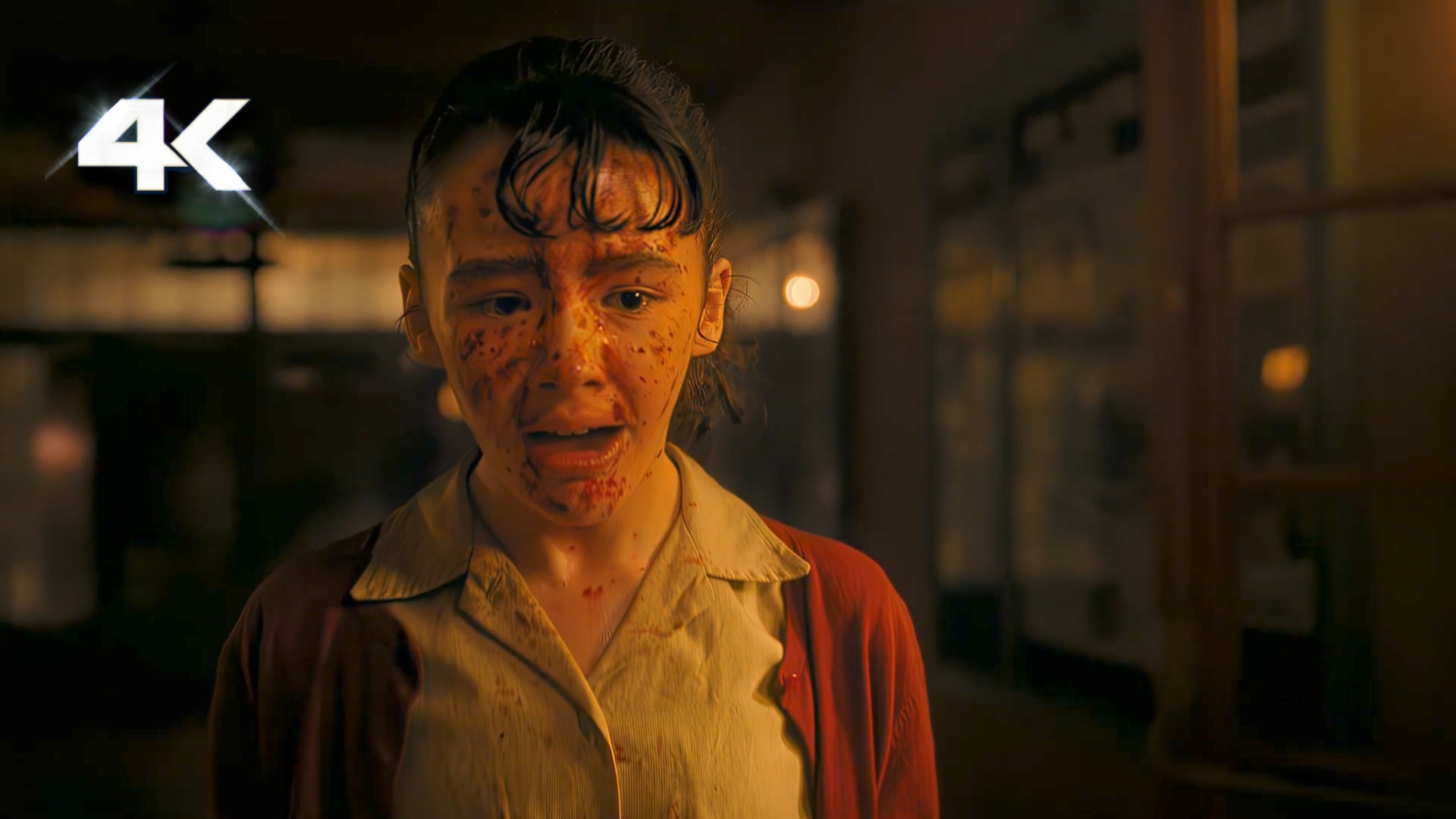
IT Welcome to Derry Twixtor
IT: Welcome to Derry
Derry is not just a town; it is a character in itself, a place where darkness and memory intertwine, where the ordinary masks the extraordinary, and where horror waits beneath the surface of everyday life. In Stephen King’s IT, Derry is both familiar and uncanny—a small Maine town with a seemingly peaceful exterior, yet riddled with corruption, secrets, and an ancient evil that manifests in the form of Pennywise the Dancing Clown.
Arriving in Derry, visitors might first notice its quaint charm. Tree-lined streets, well-kept houses, and local businesses create the image of a wholesome New England town. It is the kind of place where neighbors nod, children ride bikes in the summer sun, and the past seems safe, almost nostalgic. Yet for those who look closely, the town’s calm is deceptive. Derry has a history stained with tragedy: unexplained disappearances, fires, floods, and acts of inexplicable cruelty. The townspeople live in a peculiar state of selective amnesia, overlooking or rationalizing horrors that outsiders would find intolerable. In Derry, the ordinary and the terrifying coexist, a juxtaposition that is central to the town’s identity.
The most sinister aspect of Derry is its invisible undercurrent, the presence of Pennywise, the embodiment of fear. Unlike typical monsters, Pennywise is not confined to a single form or location. He is everywhere and nowhere, emerging in places where innocence and vulnerability intersect. Children are particularly susceptible, for they possess the unguarded imagination that Pennywise feeds upon. The town itself seems complicit, as if it allows the creature to operate unchallenged. Broken streets, abandoned houses, and shadowed alleyways become stages for Pennywise’s horrors, yet the adults, trapped in routine or denial, rarely acknowledge the creeping menace. In this way, Derry represents more than a physical place—it is a reflection of human fear, memory, and avoidance.
Derry is also a town of cycles. Every 27 years, tragedy re-emerges: children vanish, murders occur, and the air thickens with a sense of impending doom. The cycles are ritualistic, almost natural, as if the town itself is caught in an unending rhythm of fear and renewal. For the Losers’ Club, the group of children who confront Pennywise, Derry is both home and battleground. They navigate its streets, sewers, and hidden corners, learning the town’s secrets while facing their deepest fears. Each location—like the canal, the library, or the storm-drained streets—is imbued with memory and menace, a stage on which childhood innocence clashes with ancient evil.
Despite its darkness, Derry is also a place of resilience and memory. The Losers’ Club discovers that confronting fear, forming bonds, and holding onto hope allows them to reclaim power from the darkness. The town’s hidden wonders—the park where friends meet, the sweetshop where laughter once rang, or the quiet corners of the homes they love—become symbols of what is worth protecting. In Derry, horror and beauty coexist, reminding readers that even in the most threatening environments, courage, friendship, and memory have the capacity to endure.
Stephen King’s Derry is terrifying precisely because it feels real. Its streets, buildings, and landmarks could exist in any small town, but beneath the surface lies the extraordinary: a sentient, malevolent force, and a populace willing—or unable—to confront it. The town teaches that fear is often as much a product of human inaction as it is of supernatural evil. By situating horror within an ordinary setting, King amplifies dread, making Derry a place readers both recognize and dread visiting.
Ultimately, “Welcome to Derry” is more than an introduction—it is a warning and an invitation. It invites readers into a world that is simultaneously familiar and alien, mundane and horrific. It warns that beneath even the most peaceful facades, darkness may lurk, waiting for the right moment to emerge. Derry is a town of contradictions: beautiful yet decayed, innocent yet corrupt, ordinary yet haunted. To enter Derry is to confront fear, memory, and the fragility of human courage—a journey that lingers long after the book is closed.