
♦MOVIES TWIXTOR CLIPS♦
Download Movies Twixtor for Edits : https://moviestwixtor.com/movies-twixtor/
Download Series Twixtor For Edits :https://moviestwixtor.com/movies-clips/
Download Anime Twixtor for Edits : https://animeworldtwixtor.com/
Subscribe to Youtube Channel For More Clips & Twixtors : YOUTUBE
Text Me on Instagram To Request Twixtor / Clips / Promotion : RDJ EDITS / ANIMEWORLD
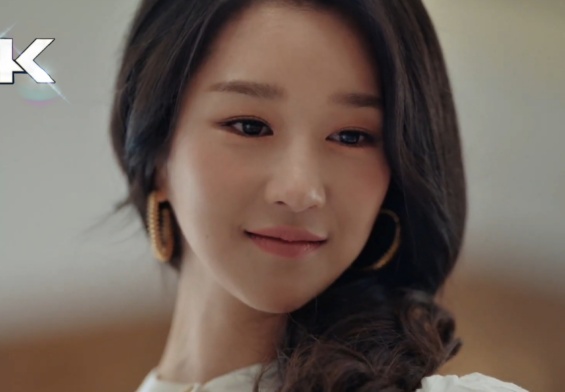
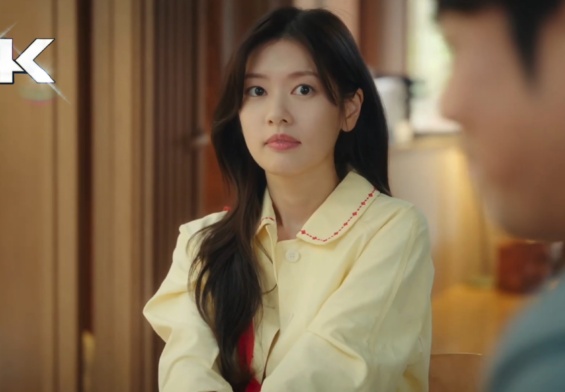
Hong Hae in Scenepack
Hong Hae-in is one of the most compelling female leads in modern K-drama—a character defined by contradictions, emotional depth, and a journey of self-discovery wrapped in the glittering coldness of chaebol life. As the third-generation heiress of the Queens Group, she enters the story as a woman who appears untouchable: elegant, intimidating, sharp as glass, and feared across the business world. Yet beneath that immaculate exterior lies a complex blend of vulnerability, resilience, and yearning, making her a richly layered figure whose emotional evolution defines the heart of the drama.
At first glance, Hae-in embodies the archetype of the “ice queen.” She speaks bluntly, moves with unwavering confidence, and rarely lets her emotions show. Her co-workers tread carefully around her, her relatives whisper about her merciless efficiency, and the public knows her as a glamorous business star destined to inherit an empire. But this coldness is neither arrogance nor cruelty—it is armor. Raised under constant scrutiny in a family where affection is sparse and power is everything, Hae-in learned early that softness invites exploitation. Her aloof demeanor is a survival mechanism forged in a world where loyalty is fragile and sincerity is rare.
Her marriage to Baek Hyun-woo initially represents a rare rebellion against that world. She falls in love not with someone from her universe of wealth and ambition but with a warm, earnest small-town lawyer who treats her as a person rather than a trophy. Their early love story reveals a different version of Hae-in: awkwardly affectionate, surprisingly playful, and eager to be loved not for her status but for her heart. Yet the pressures of chaebol life, familial interference, and the couple’s inability to communicate slowly erode their relationship. Hae-in retreats behind her emotional walls; Hyun-woo grows resentful and distant. By the time the drama begins, she is a woman quietly grieving a marriage that looks perfect from the outside but feels hollow within.
The turning point in her character arc is her medical diagnosis—a rare, life-threatening brain condition with devastating implications. Rather than collapsing emotionally, Hae-in meets the news with a chilling composure that underscores her loneliness. She hides her fear even from those closest to her, certain that vulnerability will only burden others or expose her to manipulation. Yet this crisis cracks the mask she has worn so long. The imminence of death forces her to reflect on the life she has lived, the love she may lose, and the regrets she can no longer ignore.
As Hyun-woo learns the truth and begins to care for her again, Hae-in undergoes profound emotional transformation. She allows herself to lean on someone else, to receive love rather than merely endure life. Her vulnerability becomes a source of strength rather than weakness. Once guarded to the point of isolation, she gradually opens up—showing flashes of humor, longing, tenderness, and even insecurity. Her illness strips away the superficial aspects of her existence and reveals her deepest desire: to be loved sincerely, without conditions or fear.
Hae-in’s interactions with Hyun-woo’s family further illuminate her growth. Accustomed to formality and calculated affection, she is disarmed by their chaotic warmth. Their acceptance helps her rediscover parts of herself she had buried—her capacity for joy, her need for connection, her ability to be vulnerable without being judged. These moments highlight the tragedy of her upbringing and the resilience that allowed her to thrive despite it.
Throughout the drama, Hae-in is not merely a victim of circumstance or illness. She remains witty, sharp, and determined. Even while battling her condition, she protects her family’s company, confronts betrayal, and fights fiercely for her own dignity. Her strength lies not only in survival but in transformation—the courage to confront her fears, acknowledge her mistakes, and choose love again.
Ultimately, Hong Hae-in’s story is one of reclamation: of identity, of love, and of the life she nearly lost to power, pride, and illness. She emerges not as the queen society shaped her to be, but as the woman she always longed to become—someone who loves deeply, lives honestly, and cries freely without shame.