
♦MOVIES TWIXTOR CLIPS♦
Download Movies Twixtor for Edits : https://moviestwixtor.com/movies-twixtor/
Download Series Twixtor For Edits :https://moviestwixtor.com/movies-clips/
Download Anime Twixtor for Edits : https://animeworldtwixtor.com/
Subscribe to Youtube Channel For More Clips & Twixtors : YOUTUBE
Text Me on Instagram To Request Twixtor / Clips / Promotion : RDJ EDITS / ANIMEWORLD
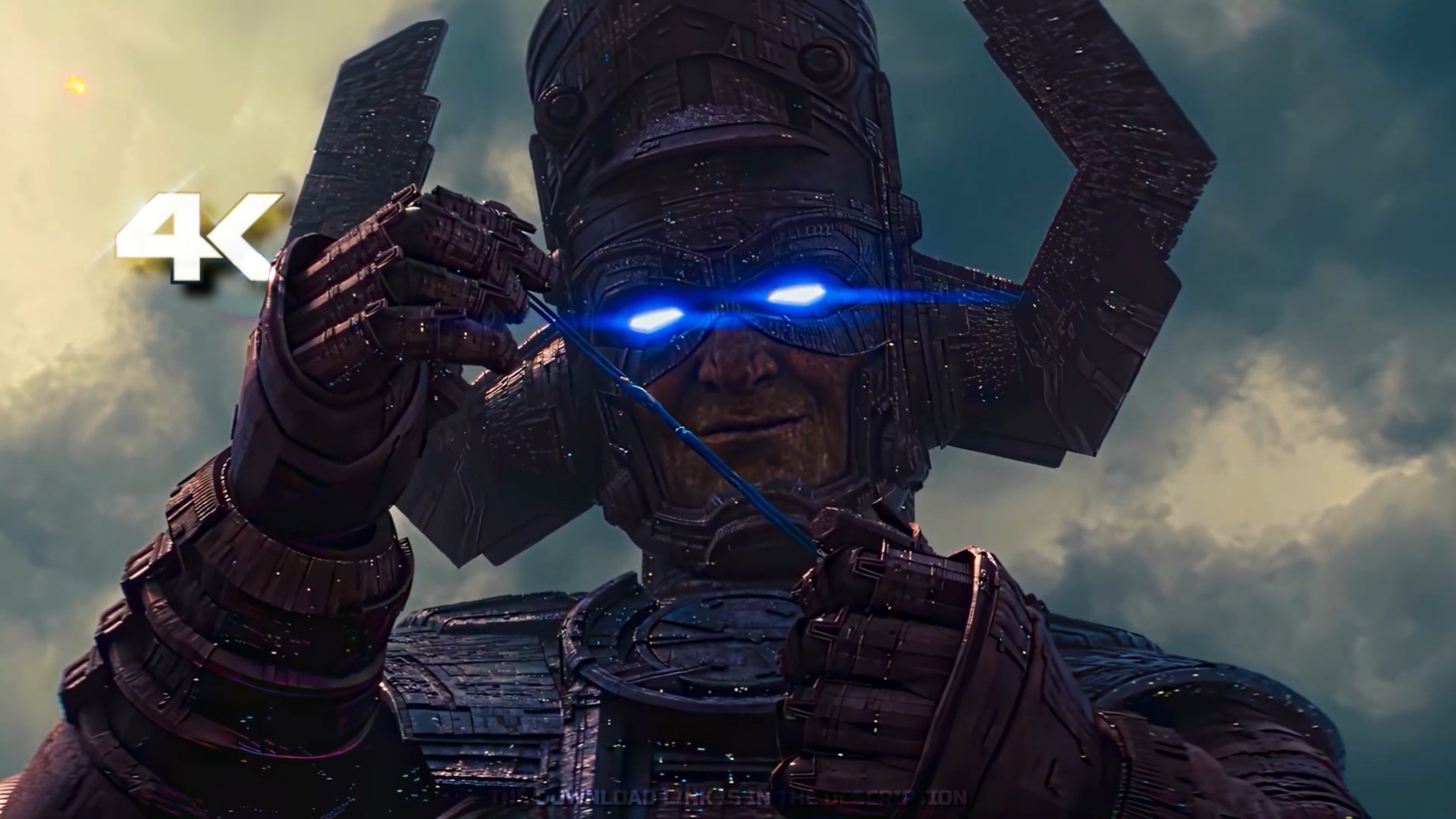
Galactus Twixtor
Galactus
Galactus stands as one of Marvel Comics’ most awe-inspiring and complex cosmic entities—a being who transcends the simple labels of hero or villain. Introduced in Fantastic Four #48 (1966) by writer Stan Lee and artist Jack Kirby, he emerged not merely as another antagonist for superheroes to battle, but as a force of nature, a cosmic constant, a living embodiment of balance on a universal scale. His presence reshaped what comic-book storytelling could aspire to: mythic, philosophical, and cosmic in scope.
Often called the Devourer of Worlds, Galactus is driven by a constant, insatiable hunger that compels him to consume entire planets for sustenance. This recurring need simultaneously defines his power and his tragedy. Galactus is not cruel nor malicious; rather, he consumes worlds as humans might eat food—an act essential for survival, not an indulgence in destruction. In this sense, he represents a frightening but deeply meaningful metaphor: the idea that even the most magnificent beings in the universe are bound by existential necessities.
Galactus was once Galan of Taa, a mortal from the universe that existed before the current one. As his universe collapsed in the cataclysmic event known as the Big Crunch, Galan merged with the cosmic sentience of that dying reality. When the next universe was born in the Big Bang, he emerged from the Cosmic Egg transformed into Galactus, no longer mortal but an eternal, godlike being woven into the fabric of cosmic law. This origin grants him a unique position among Marvel’s pantheon: he is neither a created deity nor an evolved species, but a bridge between universes.
His vast abilities reflect that transcendence. Galactus wields the Power Cosmic, a near-infinite source of energy that allows him to manipulate matter and energy on a multiversal scale. He can create or destroy life, alter the laws of physics, teleport across dimensions, and empower others with fragments of his essence. The most famous recipients of his power are his Heralds, beings who roam the cosmos to find suitable planets for him to feed upon. Surfer Norrin Radd—better known as the Silver Surfer—is the most iconic of these, serving Galactus out of a mix of duty, tragedy, and philosophical conflict.
Interestingly, Galactus’ moral position in the Marvel Universe is not static. While heroes like the Fantastic Four, Thor, and the Avengers often oppose him, he is not regarded as evil by cosmic beings such as Eternity or the Living Tribunal. To them, Galactus is essential—an engine that drives evolution, forcing civilizations to advance, adapt, or perish. In some interpretations, he is even prophesied to become the lifebringer of a future universe. Thus, Galactus embodies the tension between cosmic necessity and individual suffering: the death he brings is horrific, but his existence is woven into the natural order.
Galactus also serves a symbolic role as a character who elevates superhero narratives into cosmic philosophy. He poses questions rarely asked of traditional antagonists: What is morality on a universal scale? Can survival justify atrocity? What does it mean to be necessary yet feared? These questions push characters—especially the Silver Surfer—to confront their own values and assumptions. Surfer’s rebellion against Galactus, for instance, is less a simple act of heroism and more a philosophical awakening, a rejection of utilitarian destruction in favor of moral responsibility.
In modern interpretations, writers sometimes portray Galactus as capable of growth or transformation. He has occasionally served as a hero, helping combat greater cosmic threats that endanger the order he represents. Other times, he becomes a tragic figure overwhelmed by the very universe he helps sustain. Such portrayals emphasize that Galactus is not a static symbol, but a character who reflects the evolving imagination of Marvel’s cosmic storytelling.
Ultimately, Galactus endures because he embodies the grandeur and mystery of the cosmos. He is awe-inspiring, terrifying, tragic, and profound—less a villain than a living cosmic riddle. His presence reminds readers that the universe is vast, indifferent, and beautiful, and that even beings of unimaginable power struggle with purpose, identity, and survival.