Naoya Zenin Twixtor | Jujutsu Kaisen Season 3
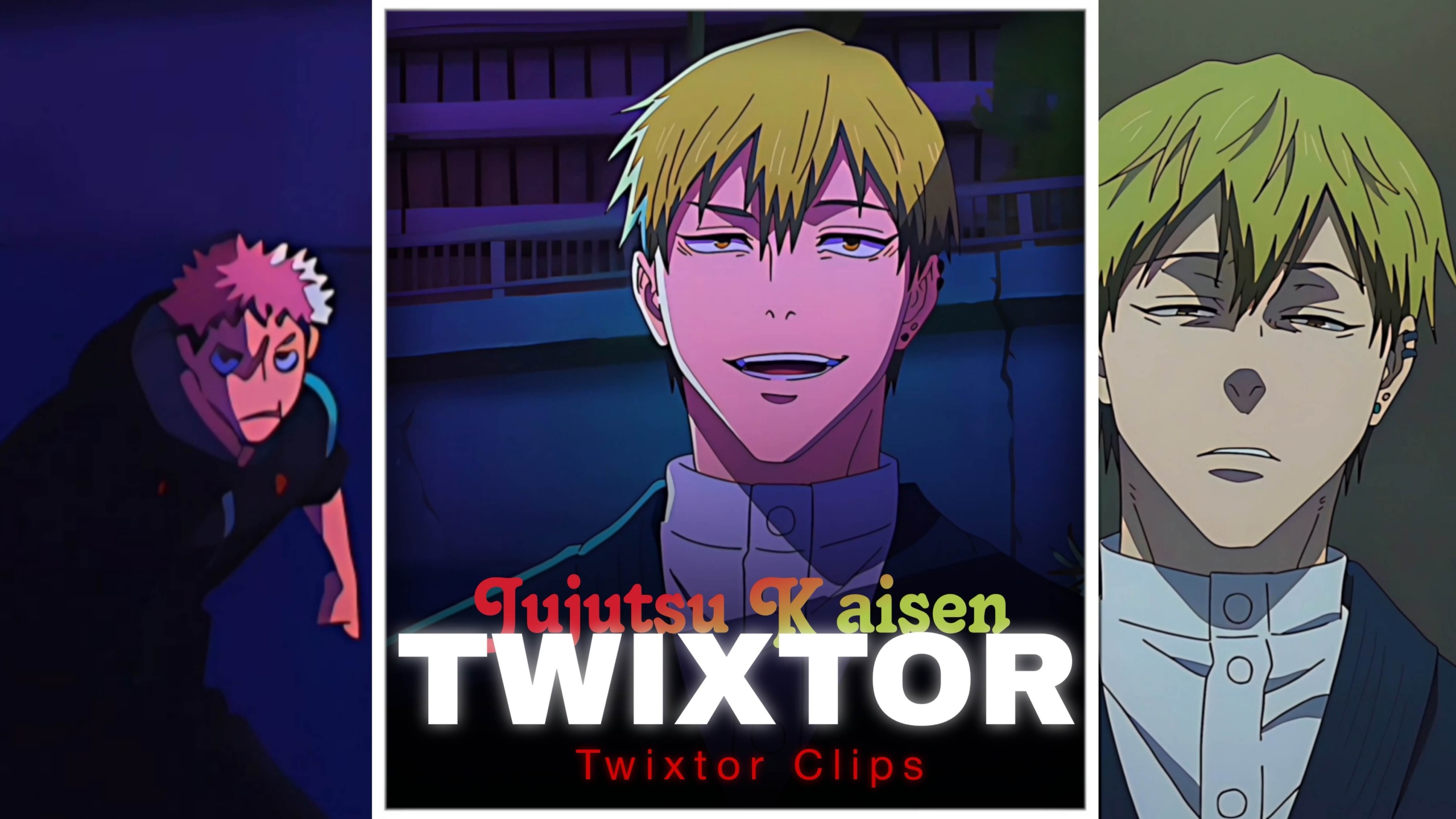
Naoya Zenin Twixtor
♦ANIME TWIXTOR CLIPS♦
Get Quality CC & Setting : https://payhip.com/QualityCCLab
Download Anime Twixtor for Edits : https://moviestwixtor.com/anime-twixtor/
Download Anime Raw Clips For Edits: https://moviestwixtor.com/anime-clips-raw/
Naoya Zenin Twixtor 4K Free Download For Edits — Jujutsu Kaisen
Naoya Zenin Twixtor is a premium collection of high-quality 4K anime clips designed for editors who want smooth slow-motion footage, cinematic action scenes, and professional editing content. This pack features some of the best moments of Naoya Zenin from Jujutsu Kaisen. With fast-paced combat, Projection Sorcery techniques, dramatic character moments, and visually stunning animation, these clips are perfect for TikTok edits, Instagram Reels, YouTube Shorts, AMVs, and professional anime editing projects.
Naoya Zenin has become one of the most talked-about characters in the Jujutsu Kaisen community due to his unique abilities, confident personality, and impressive combat skills. His scenes provide excellent material for anime editors looking to create dynamic velocity edits and cinematic character montages.
Download Naoya Zenin Twixtor Free
Format: MP4 (H.264)
Resolution: 4K Ultra HD (3840×2160)
Frame Rate: 60 FPS
Optimization: Twixtor Ready
Watermark: None
Cost: Free Download
Quality: High Bitrate Anime Clips
These clips are optimized for smooth slow-motion effects and maintain excellent visual quality during editing.
What’s Included In This Twixtor Pack?
The Naoya Zenin Twixtor collection contains carefully selected scenes that showcase his speed, abilities, and combat techniques.
Included Scenes
- Naoya Zenin battle moments
- Projection Sorcery scenes
- High-speed combat clips
- Close-range fight sequences
- Character introduction moments
- Cursed technique effects
- Cinematic anime shots
- Slow-motion action footage
- Velocity edit scenes
- 4K character clips
Every clip is selected to maximize editing flexibility and visual impact.
About Naoya Zenin
Naoya Zenin is a member of the powerful Zenin Clan and one of the most skilled sorcerers in the Jujutsu Kaisen universe. Known for his incredible speed and Projection Sorcery technique, Naoya can move with extraordinary precision and overwhelm opponents with rapid attacks.
His confident attitude and elite combat skills make him a memorable character whose scenes are highly sought after by anime editors. The fluid animation and fast-paced action associated with Naoya create perfect opportunities for Twixtor edits and velocity effects.
Why Editors Love Naoya Zenin Clips
Naoya Zenin clips remain popular among editors because they feature:
- Incredible speed effects
- Smooth combat animation
- Unique cursed techniques
- Cinematic fight choreography
- High-energy action scenes
- Stunning 4K visuals
These elements make the clips ideal for creating eye-catching content across social media platforms.
Best Uses For These Clips
The Naoya Zenin Twixtor pack is perfect for:
- Velocity edits
- Anime AMVs
- Character montages
- TikTok videos
- Instagram Reels
- YouTube Shorts
- CapCut projects
- After Effects edits
The Twixtor-ready format allows editors to produce smooth slow-motion sequences without sacrificing quality.
Benefits Of Using Twixtor Clips
Using Twixtor clips provides several advantages:
- Cleaner slow motion
- Better velocity transitions
- Professional editing quality
- Higher engagement potential
- Easier workflow for editors
- Enhanced cinematic effects
These benefits help editors create premium anime content that stands out online.
Editing Software Compatibility
These clips work seamlessly with:
- Adobe After Effects
- Adobe Premiere Pro
- DaVinci Resolve
- CapCut
- VN Editor
- Alight Motion
- Final Cut Pro
- Wondershare Filmora
Whether you’re an experienced editor or a beginner, these clips are easy to use and highly versatile.
Why Download Naoya Zenin Twixtor?
The Naoya Zenin Twixtor collection delivers premium-quality anime footage featuring one of Jujutsu Kaisen’s fastest and most interesting characters. With smooth motion, 4K visuals, dynamic combat scenes, and excellent editing potential, this pack is a valuable resource for anime editors.
If you’re creating TikTok edits, AMVs, Instagram Reels, YouTube Shorts, or cinematic anime montages, these clips provide everything needed to create professional and engaging content.
Frequently Asked Questions
Q1: Is the Naoya Zenin Twixtor pack free?
Yes, the complete collection is available for free download and contains no watermark.
Q2: Are the clips available in 4K?
Yes, all clips are available in 4K Ultra HD quality and optimized for editing.
Q3: Can I use these clips for TikTok and Instagram Reels?
Absolutely. The clips are ideal for TikTok edits, Instagram Reels, YouTube Shorts, and AMVs.
Q4: Which editing software supports these clips?
The clips work with After Effects, Premiere Pro, DaVinci Resolve, CapCut, VN Editor, Alight Motion, Filmora, and many other professional editing applications.
Follow Us On Instagram & Request Twixtors : Instagram Handle
Subscribe to Youtube Channel For Updates : YOUTUBE
About The Author