Bonney and Luffy Nika Punch Twixtor
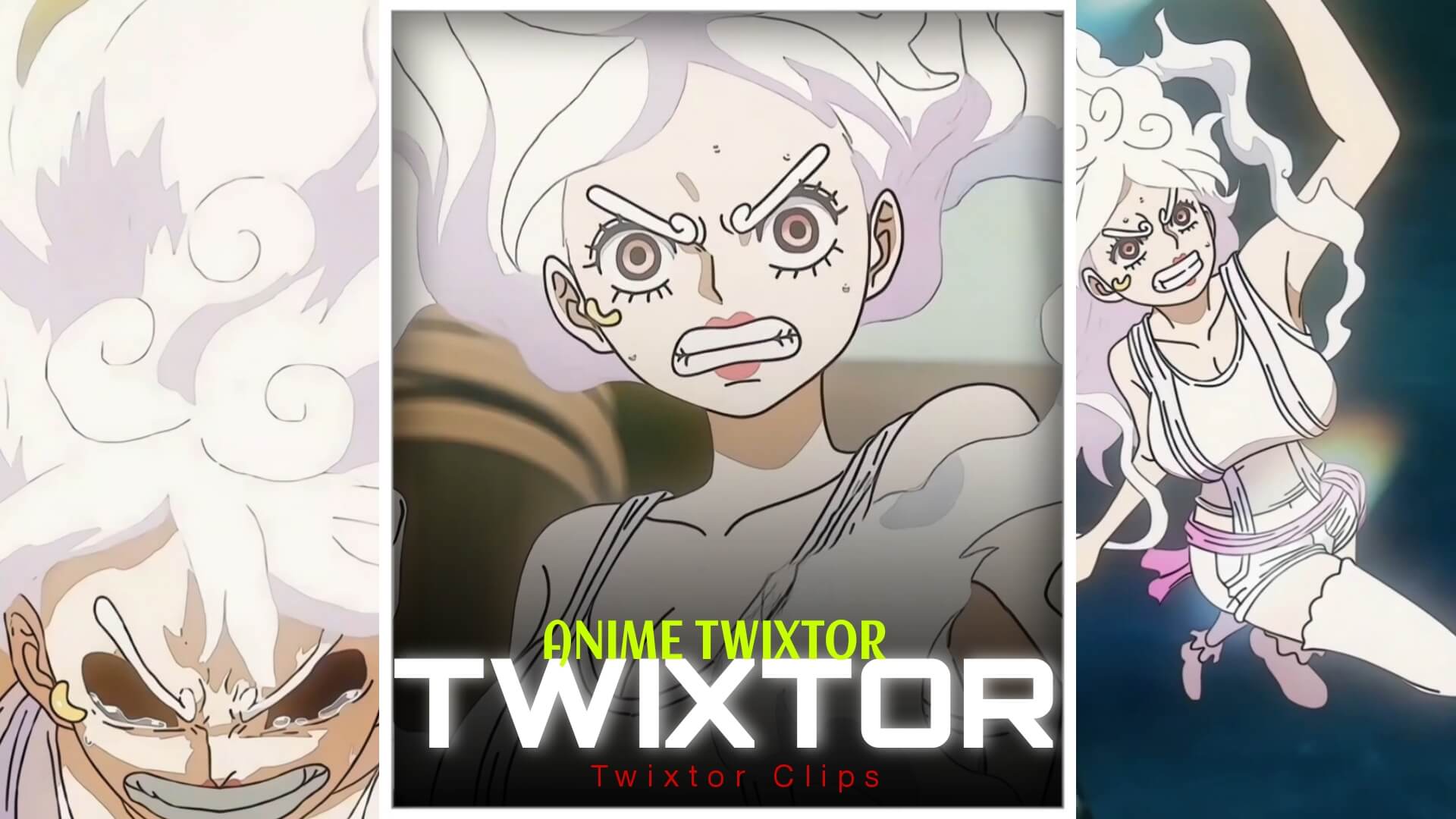
Bonney and Luffy Nika Punch Twixtor
Download Best Anime Twixtor For Free : https://moviestwixtor.com/anime-twixtor/
♦MOVIES TWIXTOR CLIPS♦
Download Black Clover Twixtor Exclusive : https://moviestwixtor.com/category/black-clover-twixtor/
Download Naruto Twixtor Clips For Free : https://moviestwixtor.com/category/naruto-twixtor/
Get CC & Quality Setting For Free : https://payhip.com/QualityCCLab
Bonney and Luffy Nika Punch Twixtor 4K Free Download
The Bonney and Luffy Nika Punch scene is one of the most exciting highlights of the One Piece Egghead Arc. The teamwork between Monkey D. Luffy in his Gear 5 form and Jewelry Bonney creates an unforgettable sequence filled with emotion, powerful animation, and explosive action. This Bonney and Luffy Nika Punch Twixtor collection features premium 4K clips optimized for AMVs, TikTok edits, Instagram Reels, YouTube Shorts, CapCut projects, and professional anime editing.
Whether you’re creating cinematic battle edits, Gear 5 showcases, or high-energy anime montages, these Twixtor-ready clips provide smooth slow-motion performance and exceptional visual quality.
Download Details
Every clip is professionally prepared for editing.
Video Specifications
- Resolution: 4K Ultra HD (3840×2160)
- Format: MP4 (H.264)
- Frame Rate: 60 FPS
- Quality: High Bitrate
- Watermark: None
- Twixtor Optimized: Yes
Compatible with CapCut, Adobe After Effects, Premiere Pro, DaVinci Resolve, Final Cut Pro, VN Editor, Alight Motion, and many other editing applications.
Featured Clips
This collection includes:
- Bonney and Luffy Nika Punch
- Gear 5 Luffy action scenes
- Bonney transformation moments
- Team attack sequences
- Powerful Haki effects
- Egghead battle highlights
- Cinematic close-up shots
- Dramatic impact scenes
- Slow-motion ready footage
- Ultra HD 4K anime clips
Every clip is selected for smooth animation and maximum editing flexibility.
Why the Nika Punch Scene Is So Popular
The Nika Punch sequence captures the excitement of the Egghead Arc by combining Gear 5’s creative fighting style with Bonney’s determination. The scene delivers dynamic animation, emotional storytelling, and explosive action, making it one of the most memorable moments for anime editors.
Its combination of colorful visual effects, impactful camera work, and fast-paced choreography makes it ideal for cinematic edits and Twixtor slow-motion effects.
Why Editors Love These Clips
Creators frequently use these scenes because they feature:
- Smooth Gear 5 animation
- Powerful impact effects
- Dynamic camera angles
- Fast-paced combat
- Bright visual effects
- Excellent slow-motion opportunities
- Emotional teamwork moments
- Crystal-clear 4K visuals
These qualities make every clip perfect for AMVs, character edits, and action montages.
Most Popular Moments Included
Editors often use:
- Nika Punch sequence
- Gear 5 attacks
- Bonney action scenes
- Teamwork moments
- Haki power effects
- Egghead battle sequences
- Heroic close-ups
- Cinematic finishing attacks
These clips work perfectly for beat-sync edits, velocity videos, trailers, and social media content.
Editing Tips
To create professional-quality edits:
- Apply Twixtor during the punch impact for ultra-smooth slow motion.
- Sync the finishing attack with a music beat drop.
- Add motion blur to emphasize speed and force.
- Enhance Haki effects with cinematic glow.
- Export your project in 60 FPS for the smoothest playback.
These techniques help create visually stunning anime edits.
Perfect For
This collection is ideal for:
- Anime AMVs
- TikTok edits
- Instagram Reels
- YouTube Shorts
- Gear 5 showcases
- One Piece montages
- Velocity edits
- CapCut projects
- After Effects animations
Whether you’re highlighting the incredible Nika Punch or creating a cinematic Egghead Arc montage, these clips provide endless creative possibilities.
Why Download This Twixtor Pack?
The Bonney and Luffy Nika Punch Twixtor collection features one of the most exciting moments from the Egghead Arc in stunning 4K quality. With explosive action, cinematic visuals, emotional teamwork, and Twixtor-ready footage, this pack is an essential resource for every One Piece editor.
Watermark-free clips, Ultra HD resolution, and smooth animation ensure you have everything needed to create standout anime edits for any platform.
Frequently Asked Questions
Q1. Is the Bonney and Luffy Nika Punch Twixtor available in 4K?
Yes. Every clip is available in Ultra HD 4K resolution with high bitrate quality.
Q2. Are these clips optimized for Twixtor?
Yes. All clips are specifically selected for smooth slow-motion editing, velocity effects, and cinematic transitions.
Q3. Which editing software supports these clips?
The clips are compatible with CapCut, Adobe After Effects, Premiere Pro, DaVinci Resolve, Final Cut Pro, VN Editor, Alight Motion, and many other editing applications.
Q4. What scenes are included?
The collection includes the Bonney and Luffy Nika Punch sequence, Gear 5 action, Bonney transformation moments, Egghead battle scenes, Haki effects, teamwork attacks, cinematic close-ups, and other memorable moments from the One Piece Egghead Arc.
Follow Us On Instagram & Request Twixtors : Instagram Handle
Subscribe to Youtube Channel For Updates : YOUTUBE
About The Author