Upper Rank Four Twixtor | Demon Slayer Twixtor
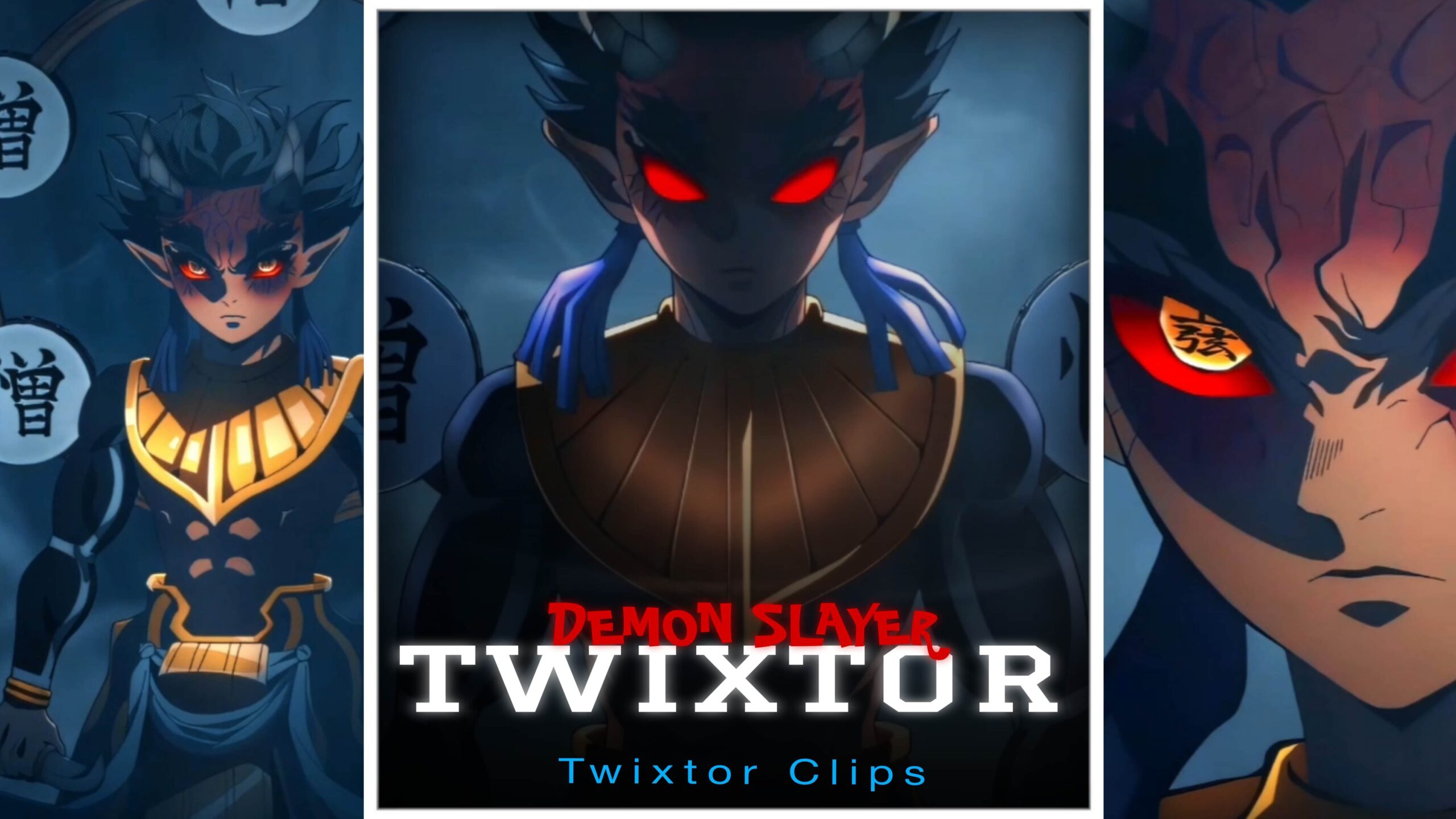
Upper Rank Four Twixtor
♦DOWNLOAD ANIME & MOVIES SCENEPACK FOR FREE♦
Download Anime Twixtor Clips for Free : https://moviestwixtor.com/anime-twixtor/
Download Movies Scenepack For Free :https://moviestwixtor.com/movies-clips/
Download Anime Clips Raw For Free :https://moviestwixtor.com/anime-clips-raw/
Download K Drama Scenepack For Free : https://moviestwixtor.com/category/k-drama-twixtor/
Upper Rank Four Twixtor 4K Free Download For Edits — Demon Slayer
Upper Rank Four Twixtor is a premium collection of high-quality 4K slow-motion anime clips designed for editors who want cinematic action footage and smooth velocity edits. This pack features the most iconic moments of Hantengu, the Upper Rank Four demon from Demon Slayer: Kimetsu no Yaiba. The collection includes his powerful clone forms, devastating Blood Demon Art attacks, and legendary Swordsmith Village Arc battles. Every clip is optimized for Twixtor editing, making it perfect for TikTok edits, Instagram Reels, YouTube Shorts, AMVs, CapCut projects, and professional anime edits.
Download Upper Rank Four Twixtor Free
Format: MP4 (H.264)
Resolution: 4K (3840×2160) + 1080p Full HD
Frame Rate: 60 FPS
Speed: 25% Twixtor Processed
Watermark: None
Signup: None
Cost: Free
Use the download button below to instantly access the complete Upper Rank Four Twixtor collection.
About These Upper Rank Four Twixtor Clips
This collection contains carefully selected scenes featuring Hantengu and his powerful forms throughout the Swordsmith Village Arc.
Included Scenes
▸ Hantengu transformation scenes
▸ Sekido battle moments
▸ Karaku attack sequences
▸ Urogi action clips
▸ Aizetsu combat scenes
▸ Zohakuten appearances
▸ Blood Demon Art attacks
▸ High-speed battle footage
▸ Cinematic close-up shots
▸ Slow-motion anime visuals
Every clip is selected for its exceptional animation quality, unique visual effects, and editing potential.
About Upper Rank Four
Hantengu is the Upper Rank Four demon of the Twelve Kizuki. His unique ability allows him to split into multiple powerful clones, each representing a different emotion and possessing distinct combat abilities.
Among his strongest forms is Zohakuten, whose overwhelming power and visually stunning attacks create some of the most memorable scenes in the Swordsmith Village Arc.
His transformations, elemental attacks, and dramatic battles make him one of the most visually impressive demons in the series.
Why Editors Love Upper Rank Four Clips
Upper Rank Four scenes remain highly popular because they feature:
- Multiple demon transformations
- Stunning elemental effects
- Unique Blood Demon Arts
- High-speed action sequences
- Incredible anime animation
- High-quality 4K footage
These elements make the clips perfect for TikTok edits, Instagram Reels, YouTube Shorts, AMVs, and cinematic anime montages.
Best Uses For These Clips
The Upper Rank Four Twixtor pack is ideal for:
- Velocity edits
- Anime AMVs
- Villain montages
- TikTok videos
- Instagram Reels
- YouTube Shorts
- CapCut templates
- After Effects projects
The smooth slow-motion footage allows editors to create professional-quality anime content with ease.
Editing Software Compatibility
These clips work perfectly with:
- Adobe After Effects
- Adobe Premiere Pro
- DaVinci Resolve
- CapCut
- VN Editor
- Alight Motion
- Final Cut Pro
Because the clips are Twixtor-ready, editors can apply motion blur, transitions, color grading, and visual effects while maintaining maximum quality.
More Demon Slayer Twixtor Packs
Explore related content including Kokushibo Twixtor, Akaza Twixtor, Doma Twixtor, Muichiro Tokito Twixtor, and Demon Slayer Scenepack collections for additional editing resources.
Frequently Asked Questions
Q1: Is the Upper Rank Four Twixtor pack free?
Yes, the complete collection is available for free download without registration and contains no watermark.
Q2: Are the clips available in 4K?
Yes, the pack includes both 4K Ultra HD and 1080p Full HD versions for maximum editing flexibility.
Q3: Can I use these clips for TikTok, YouTube Shorts, and Instagram Reels?
Absolutely. The clips are optimized for TikTok edits, Instagram Reels, YouTube Shorts, AMVs, and professional editing projects.
Follow Us On Instagram & Request Twixtors : Instagram Handle
Subscribe to Youtube Channel For Updates : YOUTUBE
About The Author