Hela Scenepack 4K – High Quality 4K
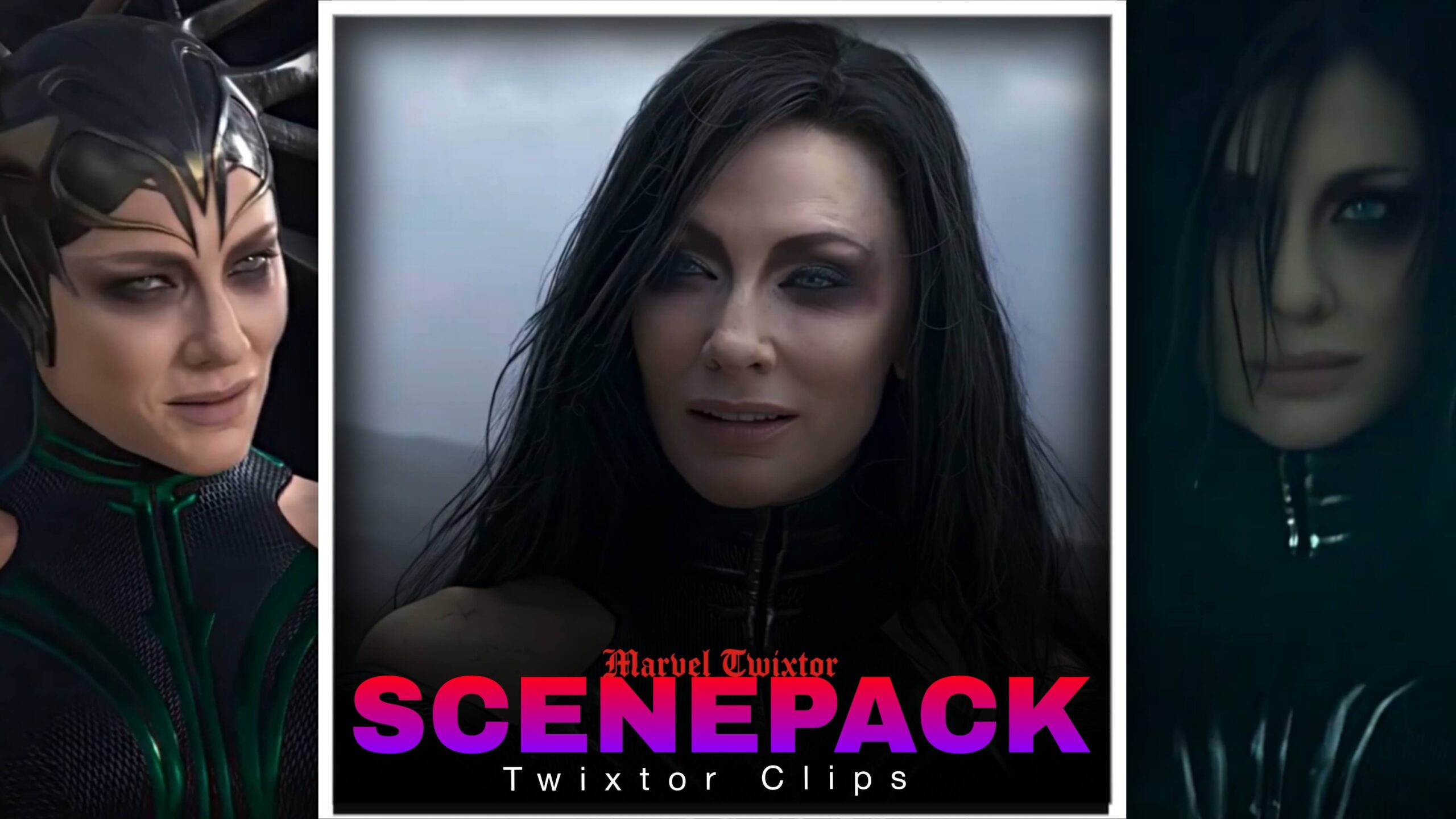
Hela Scenepack 4K - High Quality 4K
♦SCENEPACKS FOR EDITORS♦
MARVEL SCENEPACK FOR EDITORS : https://moviestwixtor.com/marvel-scenepack/
ANIME TWIXTOR CLIPS FOR ANIME FANS: https://moviestwixtor.com/anime-twixtor/
Hela Scenepack 4K Free Download
Hela, the Goddess of Death, is one of the most powerful villains in the Marvel Cinematic Universe. Introduced in Thor: Ragnarok and portrayed by Cate Blanchett, Hela dominates every scene with her commanding presence, deadly sword attacks, and dark magical powers. Her stylish combat and breathtaking visual effects make her an excellent choice for cinematic edits, AMVs, and superhero montages.
This Hela Scenepack features premium 4K clips carefully selected for TikTok edits, Instagram Reels, YouTube Shorts, CapCut projects, Adobe After Effects, Premiere Pro, DaVinci Resolve, and other professional editing software. Every clip is watermark-free and optimized for smooth, high-quality editing.
Download Details
Every clip is professionally prepared for editing.
Video Specifications
- Resolution: 4K Ultra HD (3840 × 2160)
- Format: MP4 (H.264)
- Frame Rate: 60 FPS
- Quality: High Bitrate
- Watermark: None
- Editing Ready: Yes
Compatible with CapCut, Adobe After Effects, Premiere Pro, DaVinci Resolve, Final Cut Pro, VN Editor, Alight Motion, and many other editing applications.
Featured Clips
This scenepack includes:
- Hela’s first appearance
- Sword creation scenes
- Asgard battle sequences
- Dark energy attacks
- Thor vs Hela fights
- Loki confrontation moments
- Fenris wolf scenes
- Throne room battles
- Slow-motion combat
- Cinematic close-ups
- Final battle highlights
- Ultra HD 4K Marvel footage
Every clip is selected to provide exceptional cinematic quality and editing flexibility.
Why Hela Is Perfect for Edits
Hela’s combination of supernatural abilities, elegant combat, and dark visual effects creates some of the MCU’s most visually striking scenes. Her ability to summon endless blades, overpower Asgard’s warriors, and battle Thor delivers action-packed footage that looks incredible in Twixtor edits, cinematic trailers, and villain tributes.
The film’s vibrant visuals and epic Asgard setting further enhance every scene.
Why Editors Love These Clips
Editors frequently choose Hela footage because it features:
- Stunning dark magic effects
- Stylish sword combat
- Cinematic camera movements
- Powerful villain moments
- Epic Asgard battles
- Excellent slow-motion potential
- Hollywood-quality visual effects
- Crystal-clear 4K visuals
These qualities make every clip ideal for Marvel edits, AMVs, cinematic trailers, and villain-focused videos.
Most Popular Moments Included
This collection features:
- Hela’s entrance
- Mjolnir destruction scene
- Sword summoning attacks
- Asgard invasion
- Thor and Loki confrontations
- Fenris battle moments
- Throne room action
- Final battle scenes
- Dramatic close-ups
- Iconic ending sequences
These clips are perfect for beat-sync edits, velocity edits, villain montages, and cinematic Marvel trailers.
Editing Tips
For professional-quality Marvel edits:
- Apply Twixtor during sword attacks and battle scenes.
- Sync dark magic effects with music beat drops.
- Enhance green and black tones for Hela’s signature aesthetic.
- Add motion blur during fast combat sequences.
- Export your project in 60 FPS for ultra-smooth playback.
Perfect For
This collection is ideal for:
- Marvel edits
- TikTok videos
- Instagram Reels
- YouTube Shorts
- Villain tribute videos
- Action montages
- CapCut projects
- After Effects animations
- Velocity edits
- Cinematic trailers
Whether you’re creating a tribute to Hela or showcasing the epic battles of Thor: Ragnarok, this scenepack provides everything needed for professional-quality edits.
Why Download This Scenepack?
The Hela Scenepack combines the character’s most iconic MCU moments in premium 4K quality. Featuring sword attacks, dark magic, Asgard battles, cinematic visuals, and watermark-free footage, this collection is an essential resource for Marvel fans and professional video editors.
Frequently Asked Questions
Q1. Is the Hela Scenepack available in 4K?
Yes. Every clip is available in Ultra HD 4K resolution with high bitrate quality.
Q2. Are these clips suitable for Twixtor and slow-motion edits?
Yes. The collection is optimized for Twixtor, cinematic slow-motion effects, velocity edits, and Marvel action videos.
Q3. Which editing software supports these clips?
The scenepack is compatible with CapCut, Adobe After Effects, Premiere Pro, DaVinci Resolve, Final Cut Pro, VN Editor, Alight Motion, and many other professional editing applications.
Q4. What scenes are included?
The collection includes Hela’s first appearance, Mjolnir destruction, sword summoning attacks, Asgard battle sequences, Thor and Loki confrontations, Fenris moments, cinematic close-ups, the final battle, and other memorable highlights from Thor: Ragnarok in premium 4K quality.
Follow Us On Instagram & Request Twixtors : Instagram Handle
Subscribe to Youtube Channel For Updates : YOUTUBE
About The Author