Red Hulk Twixtor Clips 4K
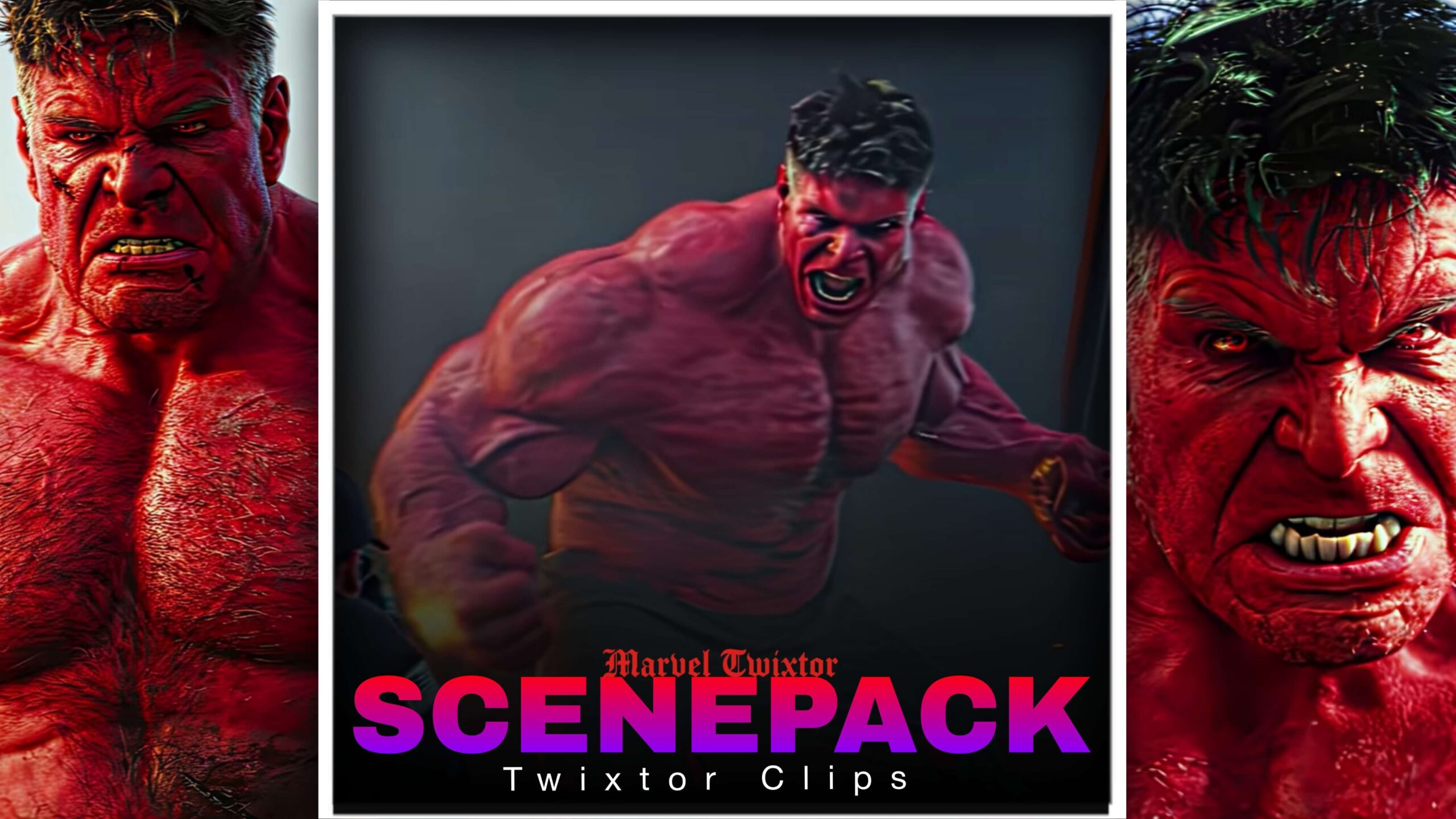
Red Hulk Twixtor Clips
♦SCENEPACKS FOR EDITORS♦
MARVEL SCENEPACK FOR EDITORS : https://moviestwixtor.com/marvel-scenepack/
ANIME TWIXTOR CLIPS FOR ANIME FANS: https://moviestwixtor.com/anime-twixtor/
Red Hulk Twixtor Clips Free Download
Red Hulk is one of Marvel’s most powerful gamma-powered characters, known for his incredible strength, explosive combat style, and intimidating appearance. His massive punches, destructive action sequences, and cinematic transformations make him a perfect choice for Twixtor edits, AMVs, TikTok videos, Instagram Reels, and YouTube Shorts.
This Red Hulk Twixtor collection features premium 4K no watermark clips optimized for CapCut, Adobe After Effects, Premiere Pro, DaVinci Resolve, Alight Motion, and other professional editing software. Every clip is professionally prepared for smooth slow-motion effects and high-quality cinematic edits.
Download Details
Every clip is optimized for editing.
Video Specifications
- Resolution: 4K Ultra HD (3840 × 2160)
- Frame Rate: 60 FPS
- Format: MP4 (H.264)
- Quality: High Bitrate
- Watermark: No Watermark
- Ready for Twixtor: Yes
Compatible with CapCut, Adobe After Effects, Premiere Pro, DaVinci Resolve, Final Cut Pro, VN Editor, and Alight Motion.
Included Twixtor Clips
This pack includes:
- Red Hulk transformation
- Powerful smash attacks
- Ground impact scenes
- Hand-to-hand combat
- Hero and villain confrontations
- Destruction sequences
- Rage moments
- Slow-motion action shots
- Cinematic close-ups
- Final battle highlights
- Gamma-powered scenes
- Ultra HD 4K Marvel footage
Each clip is trimmed and optimized for professional Twixtor editing.
Why Red Hulk Twixtor Is Popular
Red Hulk’s immense power, explosive attacks, and fast-paced combat create incredible footage for cinematic edits. His gamma-powered strength and dramatic fight scenes look exceptional in slow motion, making him a favorite among Marvel editors for Twixtor and velocity edits.
Whether you’re creating superhero montages or action-packed AMVs, Red Hulk’s scenes deliver high-impact visuals.
Features
- 4K Ultra HD resolution
- No watermark
- 60 FPS smooth playback
- Twixtor-ready clips
- High bitrate quality
- Cinematic Marvel visuals
- Fast download
- Professionally trimmed scenes
Best Scenes Included
Download iconic Red Hulk moments including:
- Red Hulk transformation
- Gamma-powered action
- Massive smash attacks
- Intense fight sequences
- Explosive impact scenes
- Destruction moments
- Powerful close-ups
- Final battle scenes
- Hero confrontations
- Cinematic finishing shots
These clips are perfect for beat-sync edits, superhero montages, AMVs, and velocity edits.
Editing Tips
Create better Red Hulk edits by:
- Applying Twixtor to heavy punches and jumps.
- Syncing smash impacts with music beat drops.
- Enhancing red tones and contrast for a dramatic look.
- Adding motion blur during fast combat scenes.
- Exporting your project in 60 FPS for the smoothest playback.
Perfect For
These clips are ideal for:
- Twixtor edits
- TikTok videos
- Instagram Reels
- YouTube Shorts
- Marvel AMVs
- Superhero edits
- CapCut projects
- After Effects projects
- Velocity edits
- Cinematic trailers
Whether you’re creating a Red Hulk tribute or a high-energy Marvel action edit, this collection provides everything needed for professional-quality edits.
Why Download This Pack?
The Red Hulk Twixtor pack contains the character’s most memorable action scenes in premium 4K quality. Featuring gamma-powered transformations, smash attacks, cinematic battles, dramatic visuals, and no watermark footage, this collection is an essential resource for Marvel editors.
Frequently Asked Questions
Q1. Are these Red Hulk Twixtor clips available in 4K?
Yes. Every clip is provided in Ultra HD 4K resolution with high bitrate quality.
Q2. Do the clips have a watermark?
No. All Red Hulk Twixtor clips are provided without a watermark.
Q3. Which editing software supports these clips?
The clips work with CapCut, Adobe After Effects, Premiere Pro, DaVinci Resolve, Final Cut Pro, VN Editor, Alight Motion, and other professional editing applications.
Q4. What scenes are included?
The pack includes Red Hulk’s transformation, gamma-powered combat, smash attacks, destruction scenes, cinematic close-ups, explosive battles, final fight highlights, and other memorable Marvel moments in premium 4K quality.
Follow Us On Instagram & Request Twixtors : Instagram Handle
Subscribe to Youtube Channel For Updates : YOUTUBE
About The Author